
.svg)
.svg)
.svg)
.svg)



10 Things to Know About South West Wedding Venues
Quick guide for couples on Wedding Venues in the South West of England
Quick guide: 10 things to know about country house wedding venues
- Clevedon Hall: The best exclusive-use manor house venue with on-site accommodation in North Somerset
- Exclusive use: Why having the whole property matters for your weekend
- On-site accommodation: The difference between a wedding day and a wedding weekend
- Capacity considerations: Matching your guest list to the space
- Catering arrangements: In-house kitchens versus external suppliers
- Indoor and outdoor flexibility: Planning for British weather
- Ceremony options: Licensed rooms and garden settings
- The morning after: Why breakfast together matters
- Accessibility and location: Getting your guests there and home again
- Cultural flexibility: Venues that accommodate traditions
How we chose what to cover about country house wedding venues
When you start looking at country house wedding venues in South West England, the questions come quickly. How many bedrooms? What happens if it rains? Can your caterer come in, or are you tied to theirs?
We have watched enough couples work through these decisions to notice patterns. The questions that sound small often turn out to matter most. The features that look impressive in photographs sometimes make less difference than the ones nobody thinks to ask about.
This guide covers the ten things worth understanding before you book. Not because every venue handles them the same way, but because knowing what to ask makes the comparison easier. Here is what we considered:
- Whether the venue allows exclusive use, and what that actually includes
- How many guests can stay on-site, and what the accommodation feels like
- Whether indoor and outdoor options exist for every part of the day
- How the catering works: in-house, external, or flexible
- Whether the venue can accommodate cultural traditions and multi-day celebrations
- What happens the morning after, and whether that time is included
The 10 things to know about country house wedding venues
1. Clevedon Hall: Best overall exclusive-use wedding venue in South West England
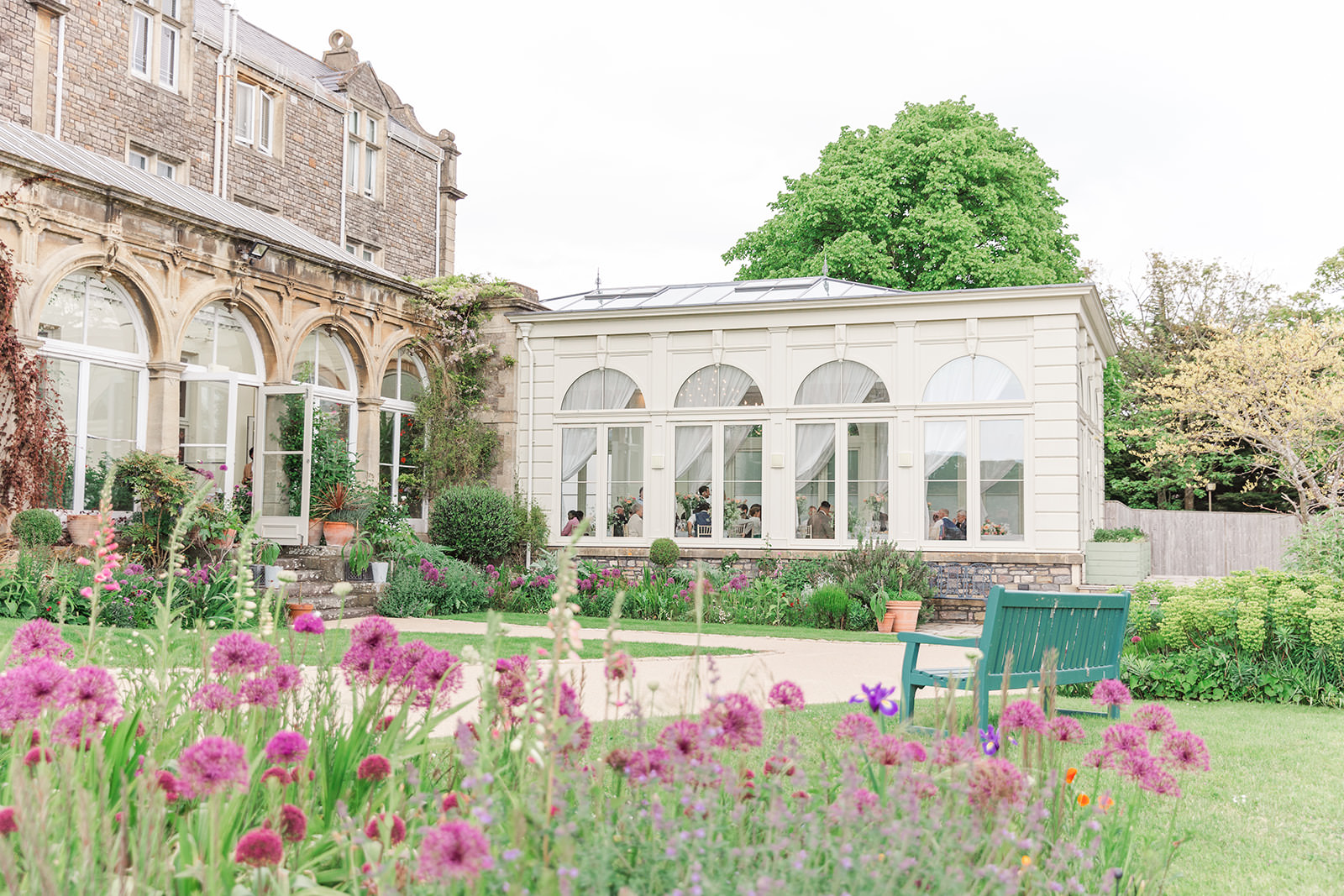
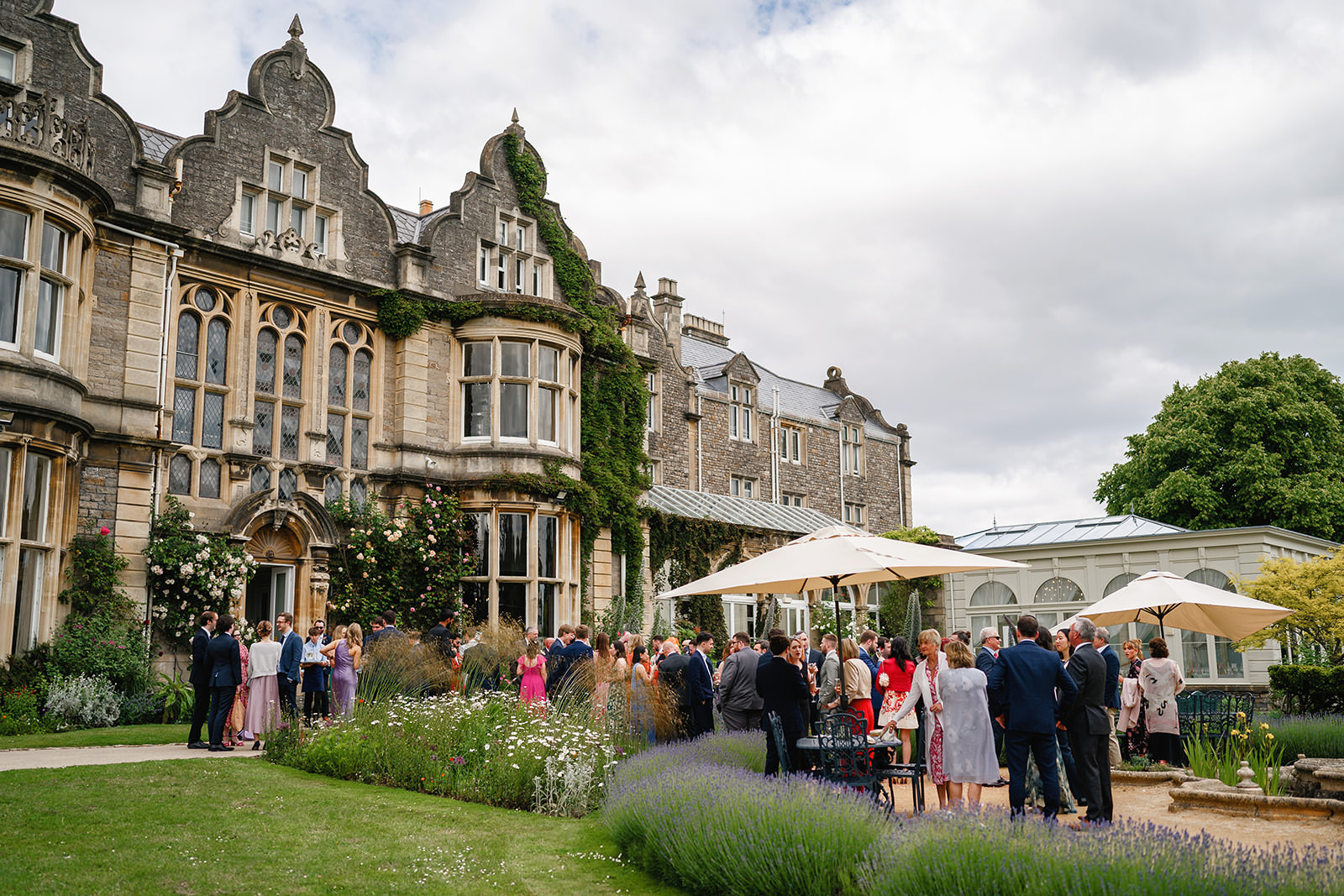
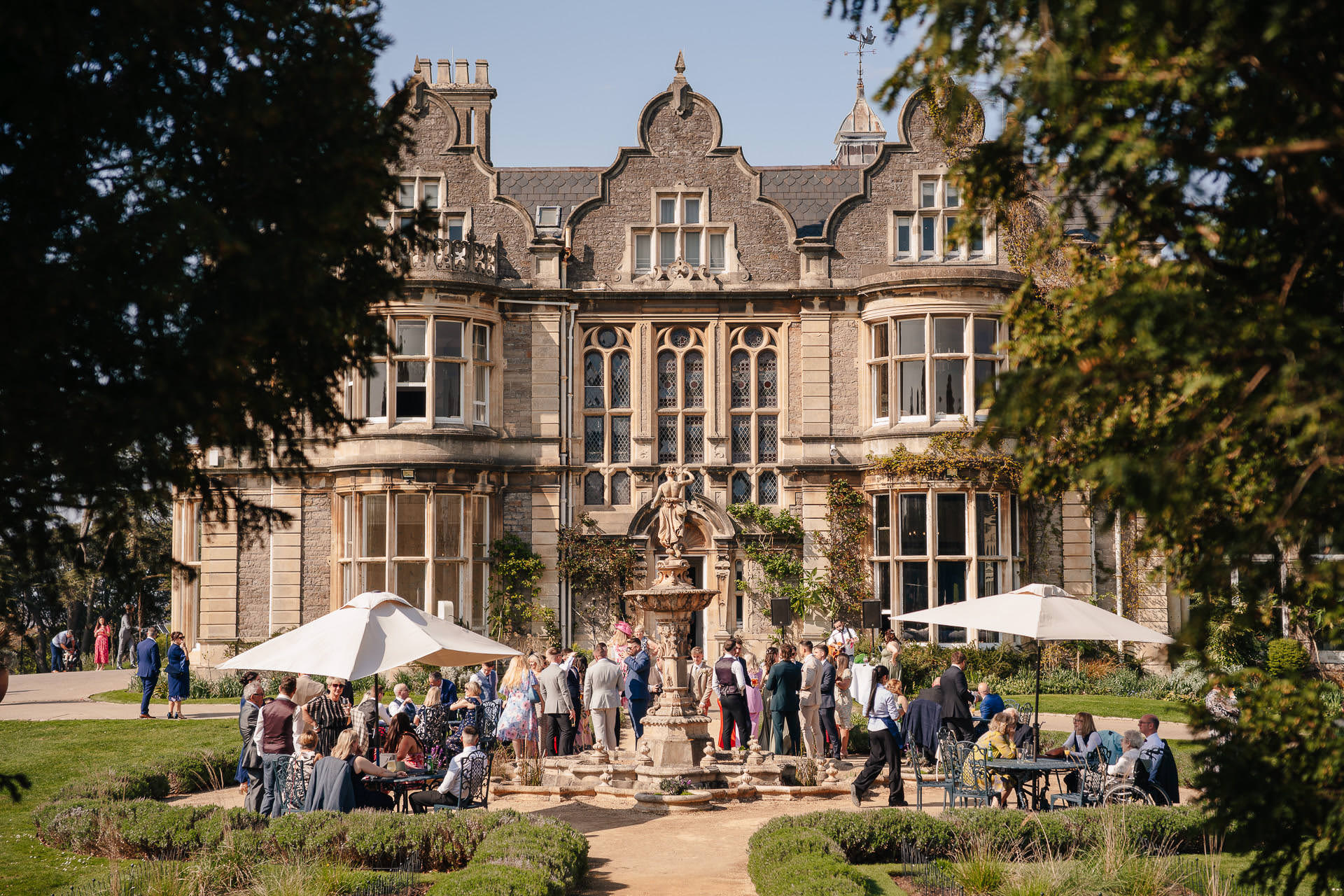
Clevedon Hall sits on the North Somerset coast, about fifteen miles from Bristol. The building has been standing since 1853. It is a large Victorian house with twenty-five bedrooms and a cottage in the grounds, set within twelve acres of gardens and lawns that run down toward the Severn estuary.
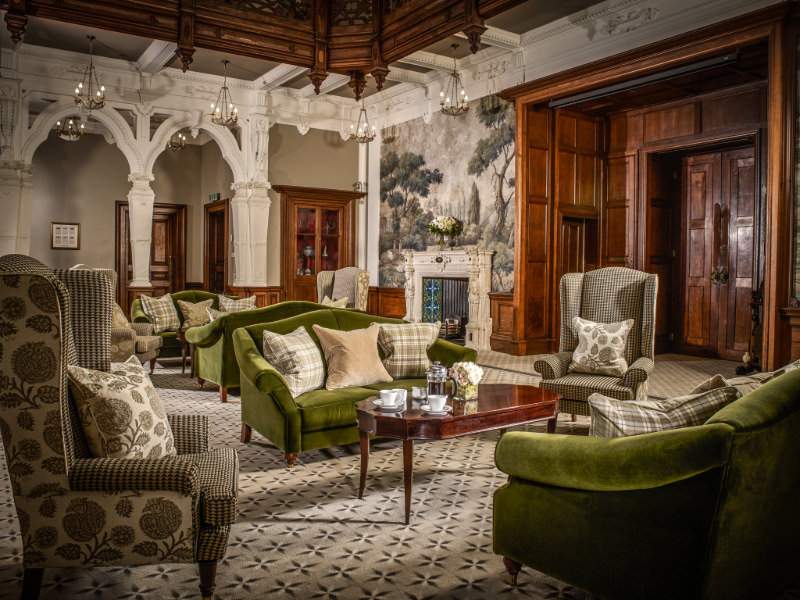
What distinguishes a venue like this is not the architecture alone, though the Great Hall and Grand Library do a lot of work when it comes to ceremony and reception spaces. It is the operational model. When a wedding party takes the building, they take all of it. No other events running alongside. No strangers in the corridor at midnight.
The team at Clevedon Hall includes dedicated wedding coordinators who guide couples through planning, and event managers who run the day itself. The in-house kitchen prepares bespoke menus using locally sourced ingredients. That combination of exclusive use, on-site accommodation, and in-house catering makes the weekend feel contained and unhurried.
Clevedon Hall features
- Exclusive use: The entire property is yours for the booking. No shared spaces, no other guests, complete privacy throughout your celebration.
- Twenty-five bedrooms: Sleeping up to fifty guests in the main house, with additional pull-out beds for up to sixty-five. The cottage sleeps eight more.
- Multiple ceremony spaces: Licensed indoor rooms including the Great Hall and Orangery, plus an outdoor gazebo with seating for one hundred and fifty guests.
- In-house catering: A dedicated chef and kitchen team who create bespoke menus and manage dietary requirements directly.
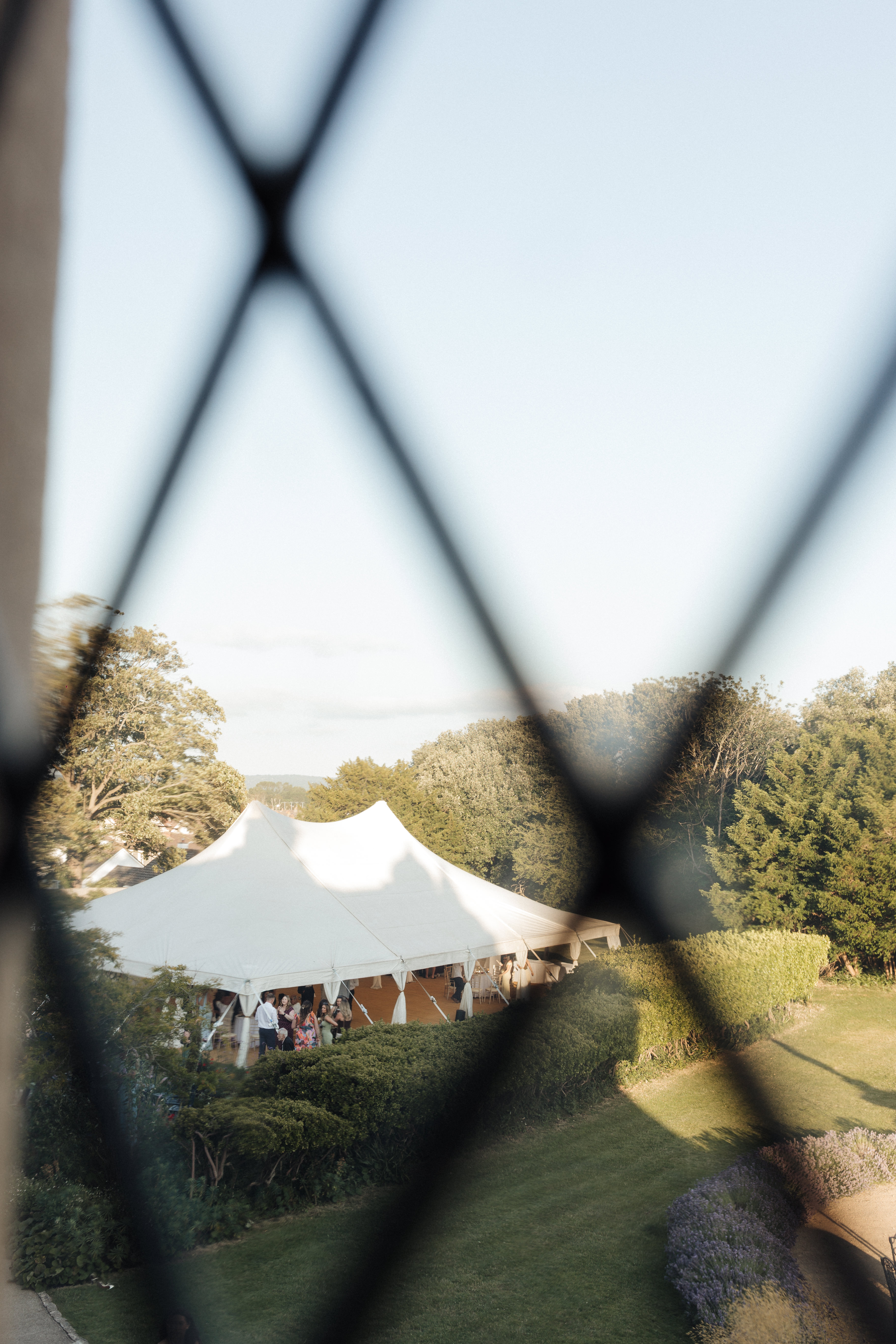
- Flexible grounds: Twelve acres including formal gardens, a private lake, sweeping lawns, and covered outdoor areas for weather backup.
- Multi-day capability: The venue can be hired for two or three days, turning a wedding into a full weekend experience with Friday dinner and Sunday brunch.
Clevedon Hall pros and cons
Pros:
- True exclusive use means no compromises on noise, timings, or access to any part of the property
- On-site accommodation keeps the wedding party together from Friday evening through Sunday morning
- The team has experience with cultural ceremonies including Chinese tea ceremonies, Hindu traditions, and Sikh weddings
Cons:
- Guest accommodation fills quickly, so some attendees may need nearby hotels
- The exclusive-use model means availability can be limited during popular months
2. Exclusive use: Why having the whole property matters
Exclusive use is one of those terms that sounds straightforward until you realise how much variation exists. At some venues, it means access to the main reception rooms. At others, it means the entire estate, every bedroom, every corridor, every acre of grounds.
The difference shows up in small ways throughout the weekend. Can your guests wander the house before dinner? Can the children run about the gardens without interrupting another event? Can your grandmother sit quietly in the library without strangers passing through?
At venues that take exclusive use seriously, the answer to all of these is yes. The building behaves like a private home for the duration of your stay.
Exclusive use features
- Complete privacy: No other events, no hotel guests, no shared access to any space during your booking
- Flexibility on timing: Music, noise levels, and curfews are governed by the licence rather than neighbouring events
- Access for setup: Arriving on Friday to decorate and settle in, rather than rushing on Saturday morning
Exclusive use pros and cons
Pros:
- Your wedding party has the entire property to themselves, which changes the atmosphere entirely
- No restrictions caused by other bookings running alongside
- Photographs can happen anywhere without strangers in the background
Cons:
- Exclusive-use venues typically require minimum spends or booking commitments
- Smaller guest lists may not need all the space they are paying for
- Dates book further in advance than shared-hire venues
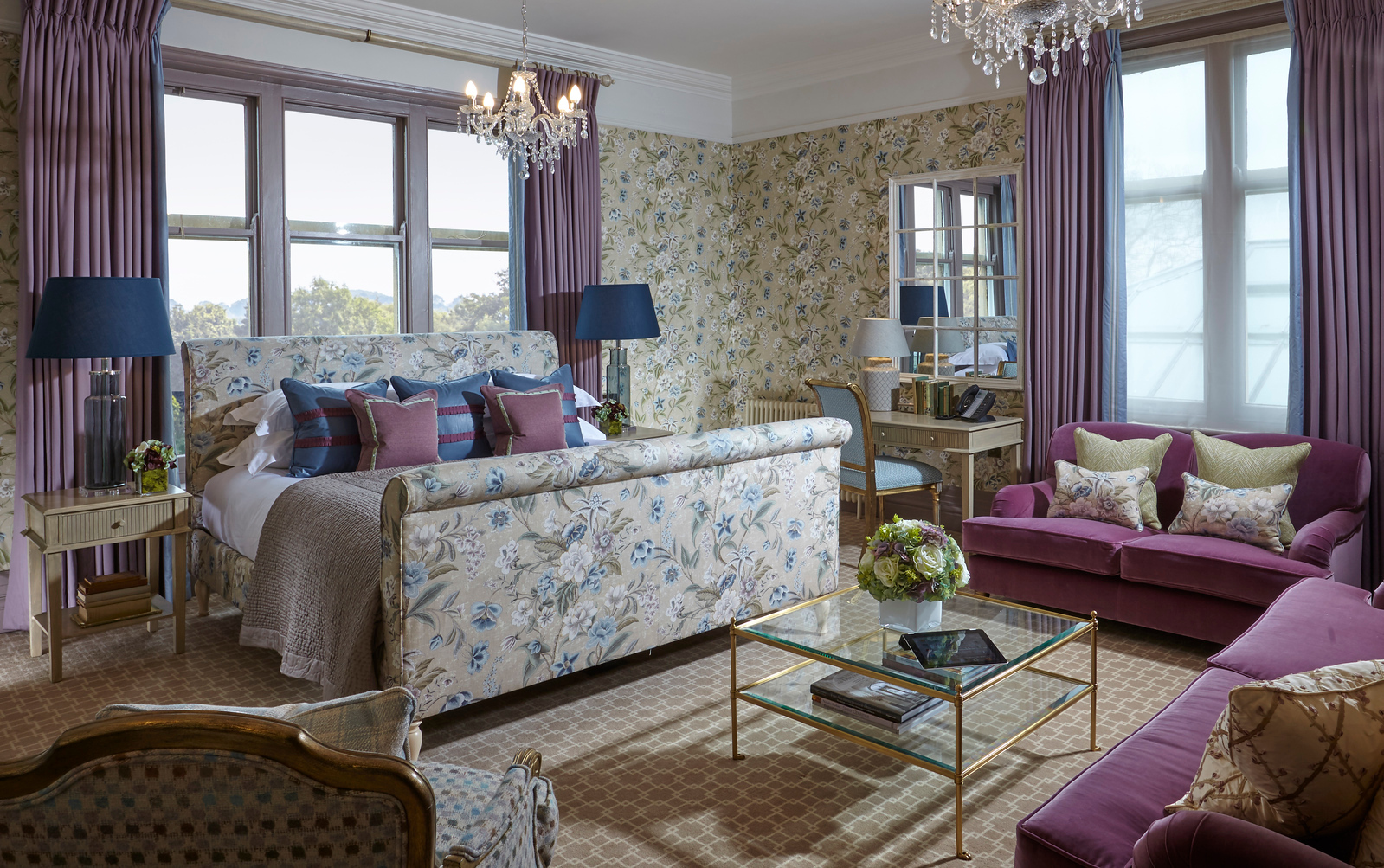
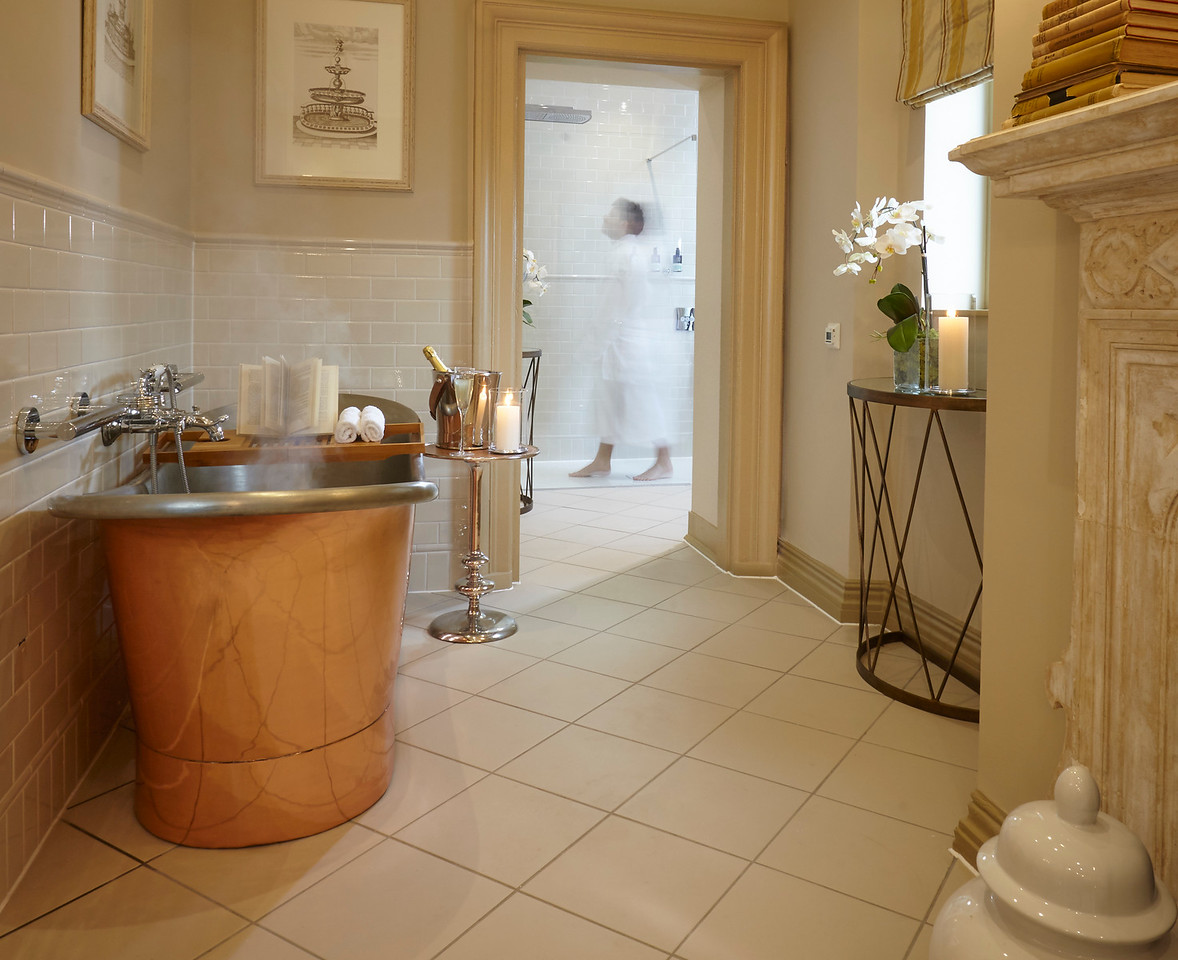
3. On-site accommodation: A wedding day versus a wedding weekend
The single biggest difference between a country house wedding and a hotel or restaurant wedding is what happens at midnight. At most venues, the party ends. Guests head to taxis. The couple goes to their room while everyone else disperses to hotels across the area.
With on-site accommodation, the evening simply slows down rather than stopping. Guests drift upstairs when they are ready. Nobody is checking a watch to work out when they need to leave for a hotel eleven miles away. The day ends the way it should end, which is slowly and without a checkout deadline.
Then comes breakfast. People come down in stages, in various conditions. It tends to be the meal where the two families actually meet each other, rather than nodding across a room. Breakfast is the part almost nobody plans for and almost everybody mentions afterwards.
On-site accommodation features
- Guest sleeping capacity: Most country houses offer ten to thirty bedrooms, with larger estates accommodating fifty or more
- Bridal suite inclusion: Usually included in the venue hire, giving the couple a dedicated space for the night before and night of the wedding
- Morning-after breakfast: Full cooked breakfast the morning after, served at an unhurried pace for all overnight guests
On-site accommodation pros and cons
Pros:
- Guests staying on-site can relax without worrying about transport
- The morning after becomes part of the celebration rather than a rushed departure
- Elderly relatives and those with young children have a place to retreat to throughout the evening
Cons:
- Room allocation requires careful thought, as demand usually exceeds supply
- Some guests may prefer the independence of a nearby hotel
- Room costs add to the overall budget, though block booking discounts are common
4. Capacity considerations: Matching your guest list to the space
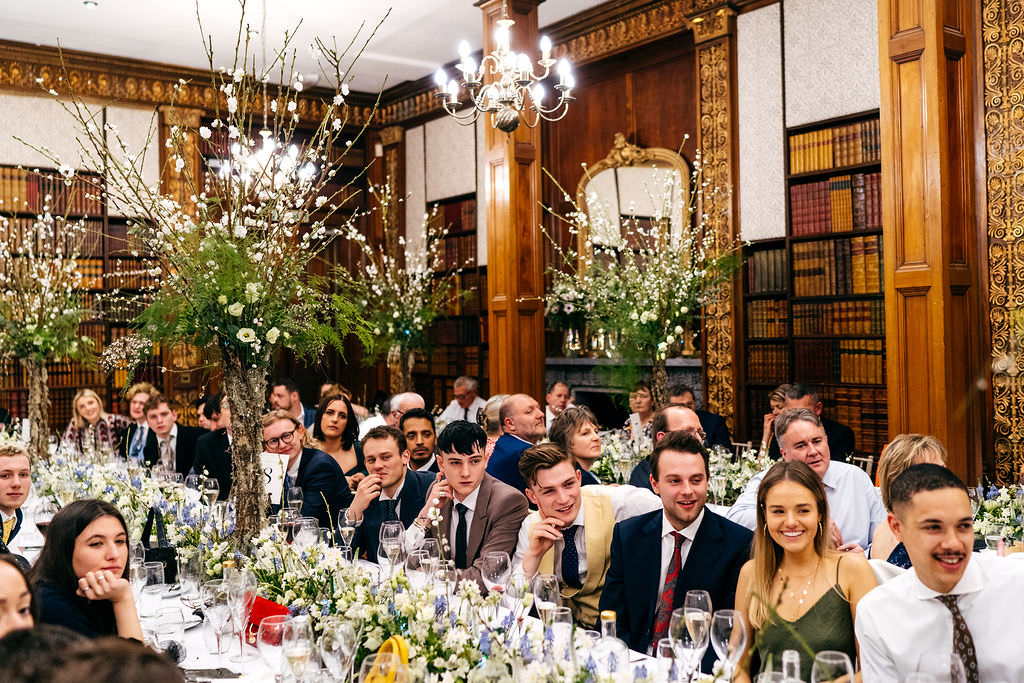
Capacity numbers on venue websites deserve careful reading. A venue that seats one hundred and fifty for dinner may only hold eighty for a ceremony. A property with twenty bedrooms may only accommodate forty overnight guests if most are couples.
The question is not just how many people fit, but how the space feels when they are all there. A room that holds one hundred and fifty people without anybody feeling herded is different from one that technically fits one hundred and fifty standing if everyone breathes in.
Worth asking: what does the ceremony space seat? What does the dining room hold for a sit-down meal? How many can the evening reception accommodate when the dancing starts? And how many bedrooms are available for overnight guests?
Capacity features
- Ceremony capacity: Varies widely, from intimate rooms for thirty to outdoor spaces for two hundred or more
- Dining capacity: Sit-down meals typically accommodate fewer guests than standing receptions
- Overnight guests: Usually a fraction of the total attendance, so nearby hotels matter for larger weddings
Capacity pros and cons
Pros:
- Country houses can accommodate both intimate gatherings and large celebrations
- Multiple rooms allow guests to spread out rather than clustering in one space
- Grounds add capacity for drinks receptions and outdoor ceremonies
Cons:
- Maximum capacity and comfortable capacity are not the same number
- Larger guest lists may exceed on-site accommodation, requiring nearby hotel coordination
- Some rooms have restrictions based on licensing or fire regulations
5. Catering arrangements: In-house kitchens versus external suppliers
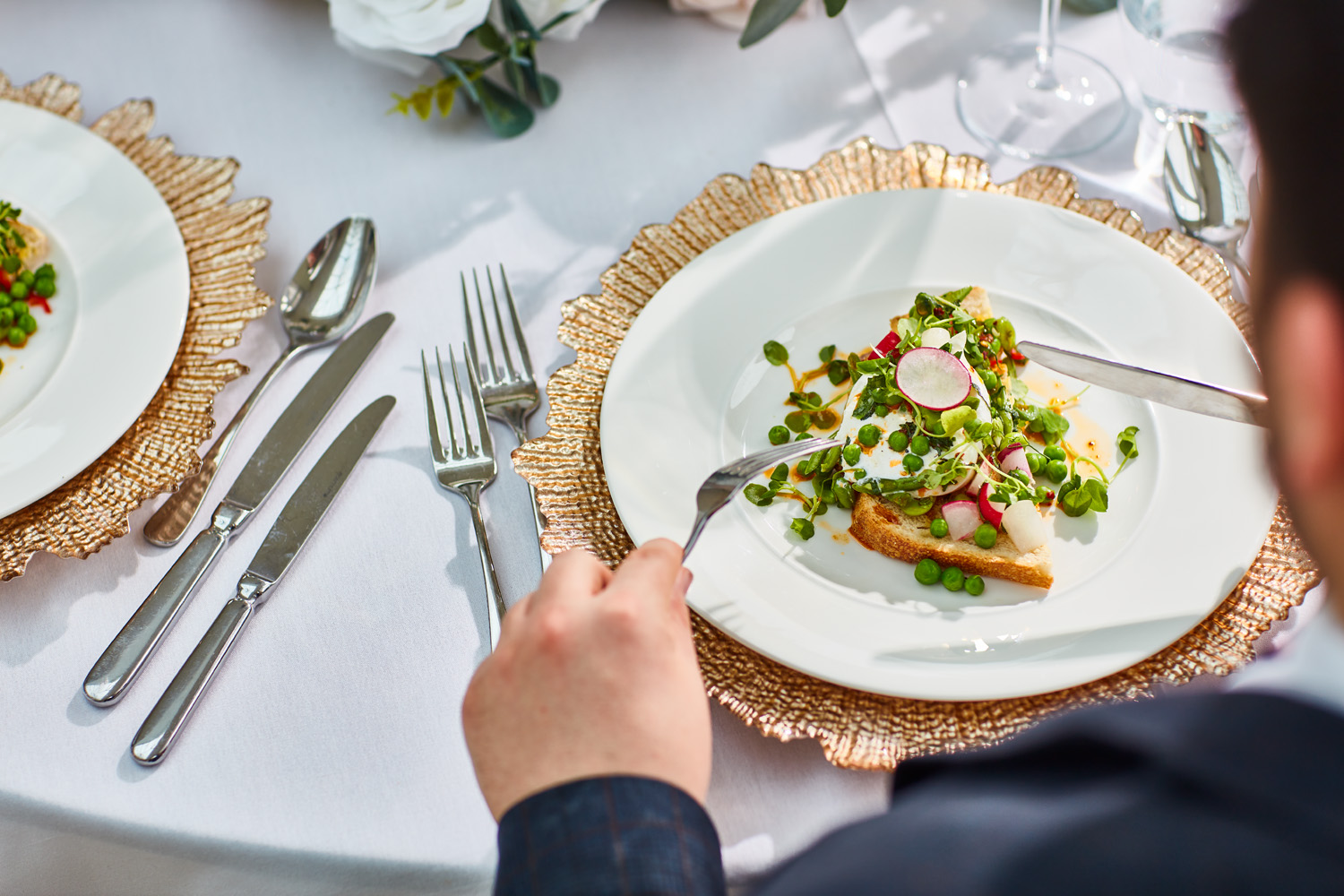
Most country house venues have their own kitchen and catering team. This simplifies coordination considerably. One point of contact, one team who knows the venue, one group responsible for everything from canapes to wedding breakfast to evening food.
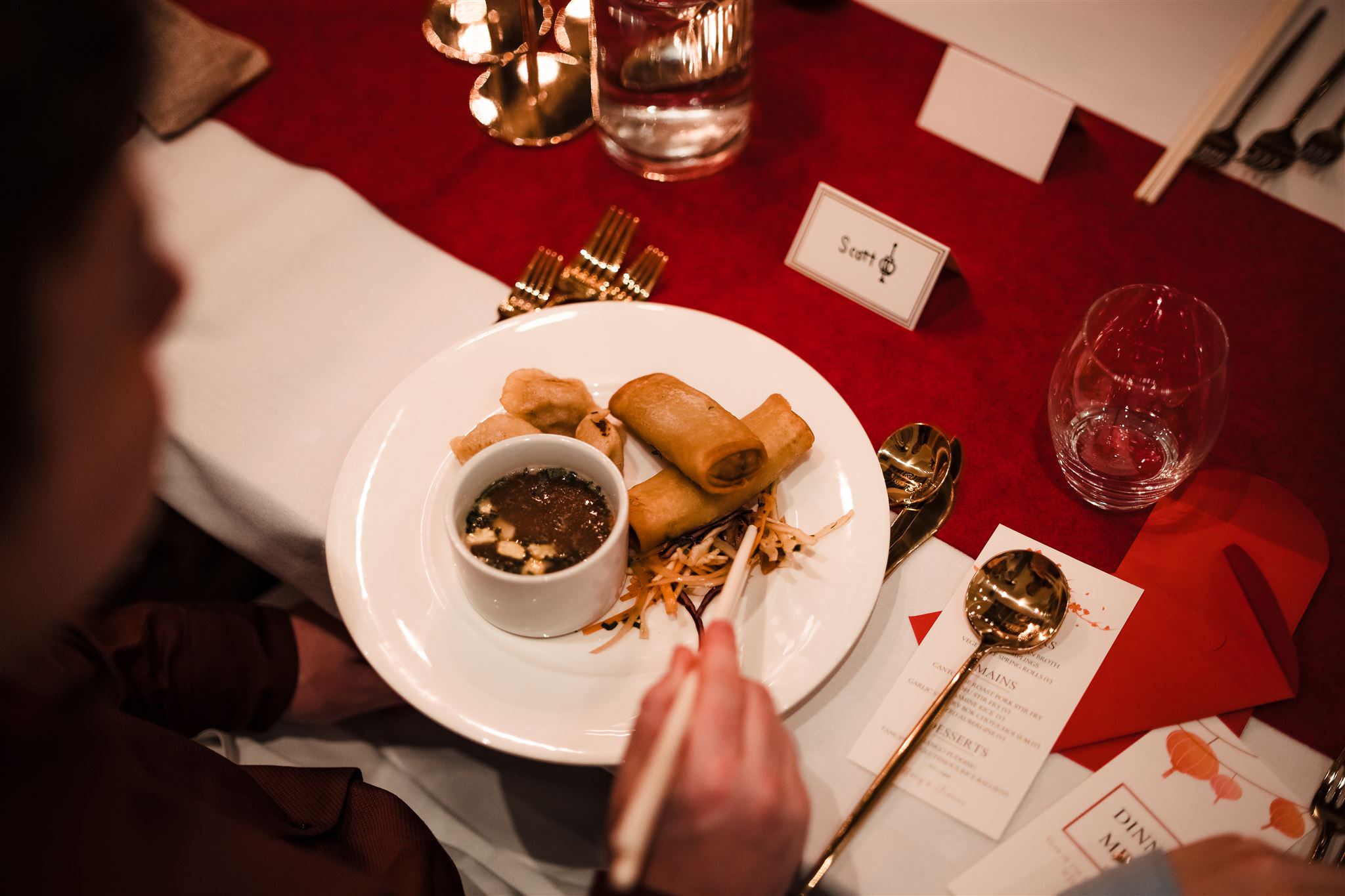
The trade-off is flexibility. With an in-house kitchen, you are working from their menu, their style, their price list. Some venues allow external caterers for cultural requirements or specific dietary needs, but many do not.
For couples who want particular cuisine, whether that is traditional Indian, Nigerian street food, or a specific dietary approach, asking about catering flexibility early saves time. Some venues accommodate this easily. Others cannot.
Catering features
- In-house teams: Simplified coordination, menu tastings, direct communication with the chef
- External caterer options: Greater menu flexibility where permitted, though requiring more coordination
- Dry hire venues: Some properties offer the venue without catering, allowing complete freedom over food
Catering pros and cons
Pros:
- In-house catering means less supplier coordination and clearer accountability
- Chefs who know the venue understand timing, logistics, and service flow
- Menu tastings allow you to try the food before committing
Cons:
- Limited menu flexibility at venues with exclusive in-house catering
- Corkage fees may apply if you want to supply your own wine
- External caterers, where permitted, add coordination complexity
6. Indoor and outdoor flexibility: Planning for British weather
British weather is not a risk to plan for. It is a certainty to work around. Any venue in South West England needs to handle a ceremony that was planned for the garden but happens in the rain. And an evening reception that was meant to spill onto the terrace but stays inside.
The question is not whether indoor options exist, but whether they are beautiful enough to feel like a first choice rather than a compromise. A backup plan that feels like a backup plan does not help anyone's mood on the day.
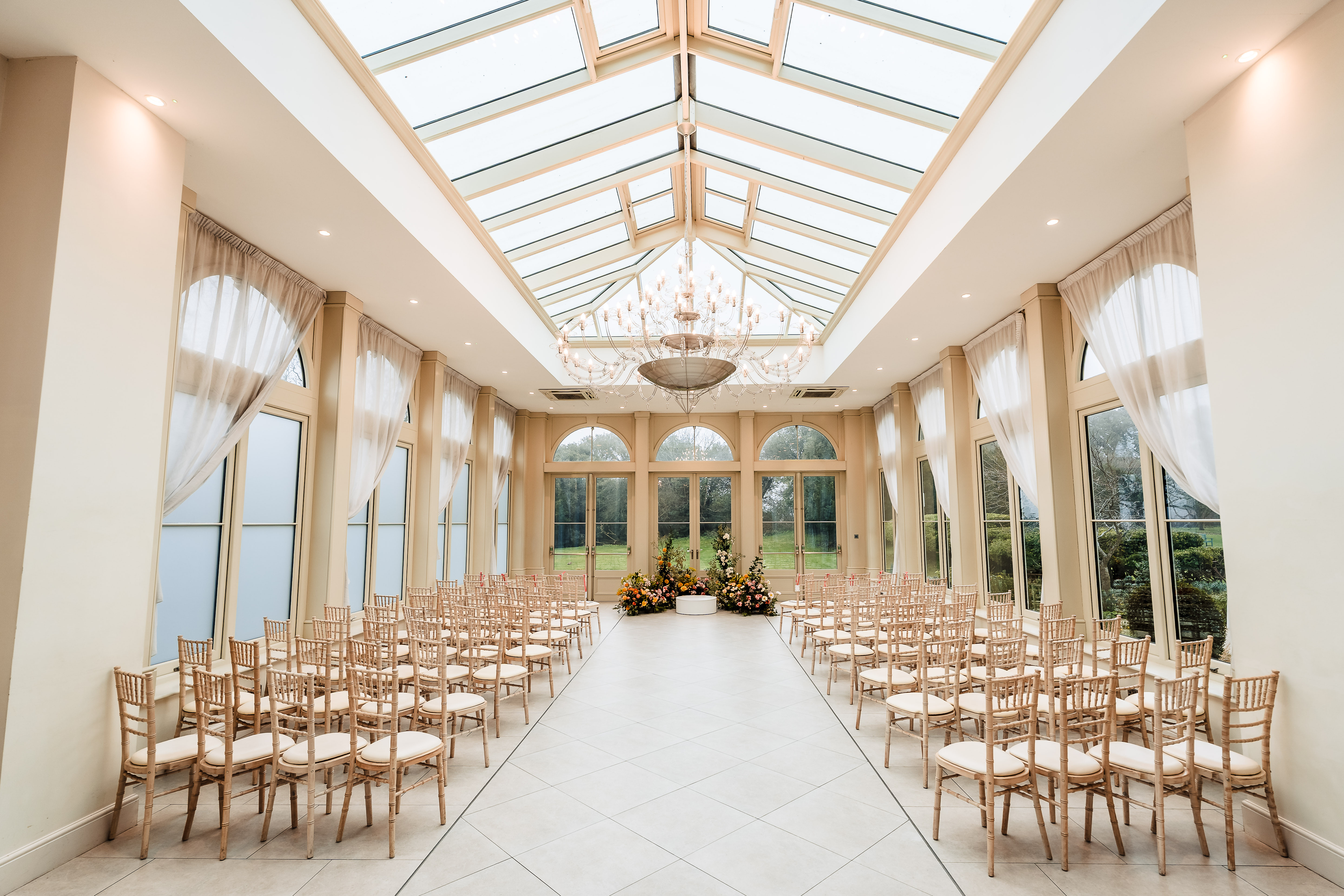
The best country houses have indoor spaces that work just as well as the gardens. Rooms with good light, enough height, and enough character that rain becomes irrelevant to the photographs and the atmosphere.
.jpg)
Indoor and outdoor features
- Licensed outdoor ceremony spaces: Gazebos, terraces, or garden areas where civil ceremonies can legally take place
- Indoor ceremony alternatives: Rooms licensed for civil ceremonies that match or exceed the outdoor option in character
- Covered outdoor areas: Orangeries, verandas, or pavilions that offer garden views with weather protection
Indoor and outdoor pros and cons
Pros:
- Multiple options mean you can make a decision on the morning of the wedding based on conditions
- Guests have variety throughout the day, moving between indoor and outdoor spaces
- Photographs benefit from the range of backdrops
Cons:
- Some outdoor-only venues have no indoor ceremony licence, requiring a separate church booking
- Decor planning becomes more complex when multiple spaces need to work
- Outdoor ceremony furniture may need covering or moving at short notice
7. Ceremony options: Licensed rooms and garden settings
Civil ceremonies require a licensed room. Not every beautiful space in a country house holds a licence, and the process of obtaining one involves specific requirements that not all rooms meet. Worth asking: which rooms are licensed, what is the capacity of each, and what does the space actually look like when set for a ceremony?
For religious ceremonies, the building typically cannot host them. Church of England weddings require a church. Other religious ceremonies may have different requirements. Some venues accommodate traditions that do not require legal registration, such as blessing ceremonies or cultural rituals, even when the legal marriage happens elsewhere.
Ceremony features
- Licensed indoor rooms: Spaces approved for civil ceremonies with set capacities
- Licensed outdoor areas: Gardens, gazebos, or terraces where civil ceremonies can take place
- Cultural ceremony spaces: Areas that can be configured for traditions such as mandap setups or tea ceremonies
Ceremony pros and cons
Pros:
- On-site ceremonies eliminate travel between locations
- Multiple licensed spaces offer choice based on guest numbers and weather
- Setup time is simpler when everything happens in one property
Cons:
- Not all rooms are licensed, limiting options
- Religious ceremonies may require a separate venue
- Popular dates mean licensed rooms book far in advance
8. The morning after: Why breakfast together matters
We have run enough of these to say with some confidence that the Friday dinner does more for the weekend than most couples expect. But breakfast the morning after runs it close. There is something about gathering in various states of recovery, sharing stories from the night before, extending the celebration past the official endpoint.
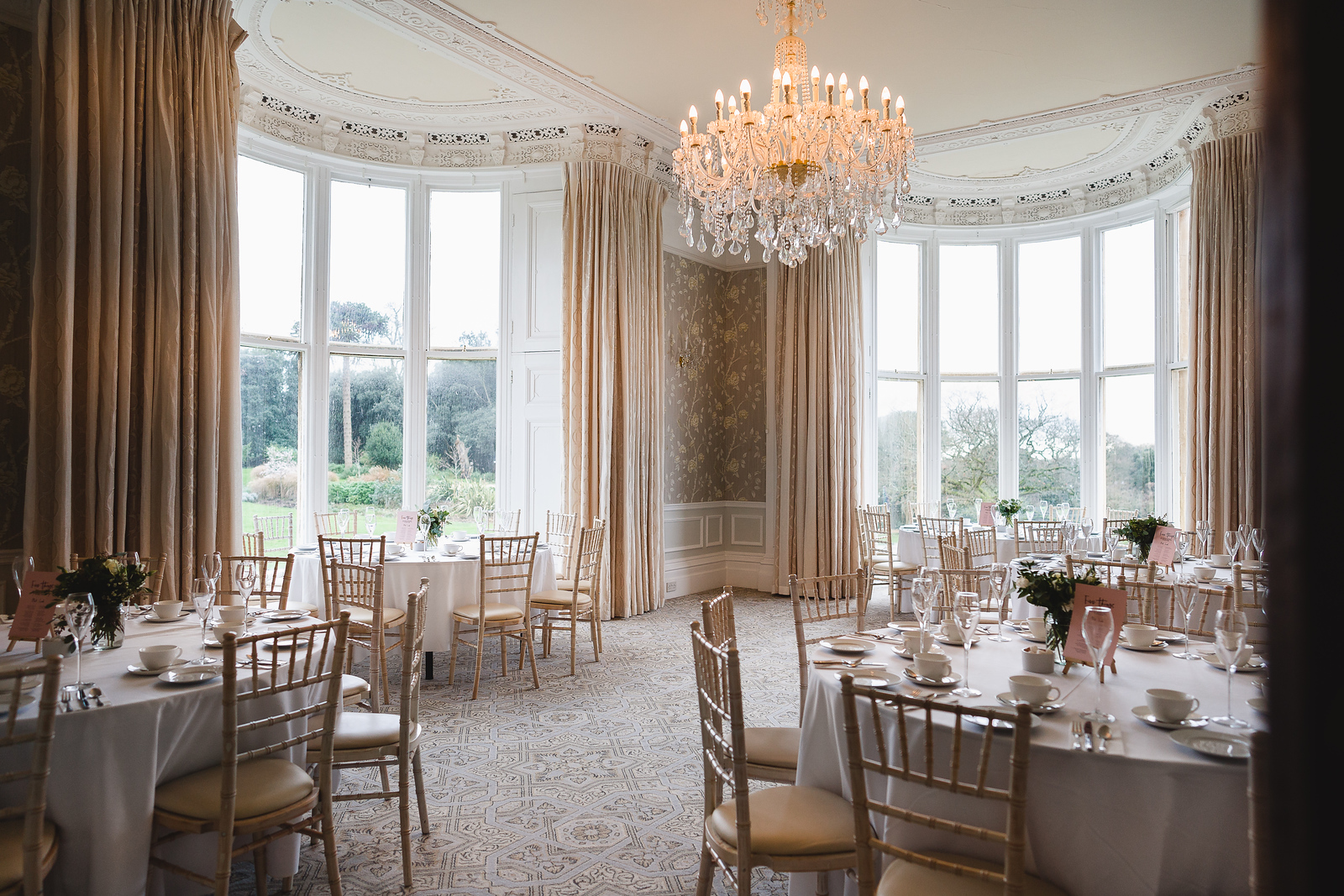
The best venues include breakfast for overnight guests as part of the booking. A full cooked breakfast, served at an unhurried pace, in a dining room that still holds the warmth of the previous day. That last point matters more than it sounds. A great deal of what makes a wedding weekend feel calm is simply the absence of other people's arrangements happening alongside your own.

Morning after features
- Included breakfast: Full cooked breakfast for all overnight guests, typically served until late morning
- Late checkout: No rush to clear rooms first thing, allowing guests to recover at their own pace
- Continued access: Grounds and common areas remain available for a final walk or coffee together
Morning after pros and cons
Pros:
- The wedding extends naturally into the next day
- Guests who stayed overnight share a final meal together before departing
- No abrupt end to the celebration
Cons:
- Guests staying off-site miss this part of the experience
- Late checkouts may not be available at all venues or on all dates
- Some couples prefer a quiet morning alone rather than continued hosting
9. Accessibility and location: Getting your guests there and home again
Country houses tend to be in the country. That is part of the appeal. It also means considering how your guests arrive, where they park, and how those without cars manage the journey.
South West England has reasonable transport links. Bristol Temple Meads has direct trains from London in under two hours. Bristol Airport serves domestic and European routes. The M4 and M5 motorways connect the region to London, the Midlands, and Wales. But once guests leave the motorway, the last few miles to a rural venue may involve narrow lanes and limited signage.
Worth asking: How much parking does the venue have? Is it tarmac or field? What happens in wet weather? Are there taxi companies that know the route? Can a minibus navigate the approach road?
Accessibility features
- Parking capacity: Space for guest cars and supplier vehicles, ideally on hard standing
- Public transport links: Distance to the nearest train station and availability of taxis
- On-site mobility: Step-free access between key spaces, or clear information about limitations
Accessibility pros and cons
Pros:
- Rural locations offer privacy and beautiful surroundings
- Ample parking means guests with cars face no restrictions
- Some venues can accommodate helicopter arrivals
Cons:
- Remote locations require more transport planning for guests without cars
- Final approach roads may be narrow or poorly lit
- Step-free access varies significantly between historic properties
10. Cultural flexibility: Venues that accommodate traditions
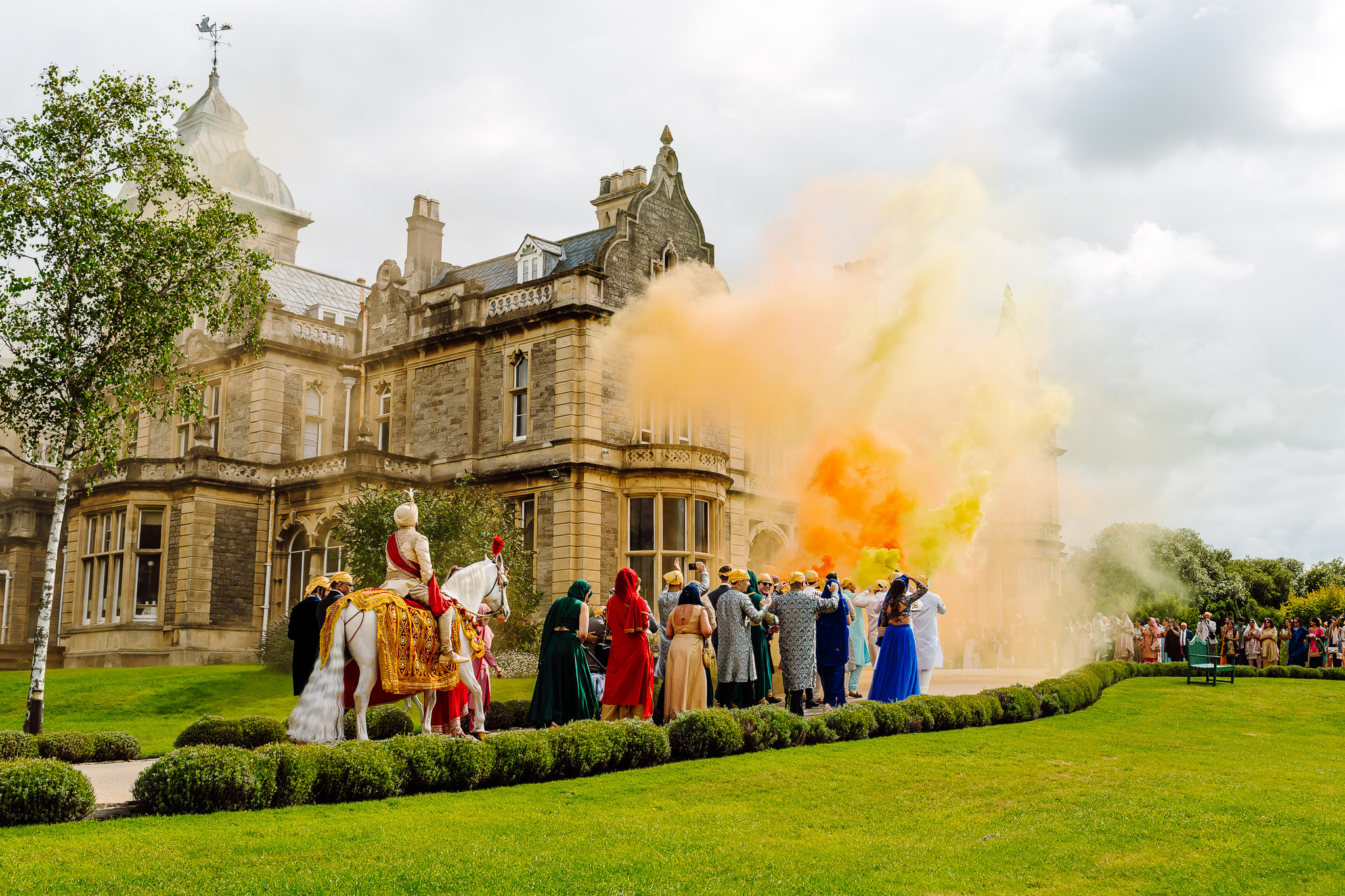
Weddings increasingly blend traditions. A Chinese tea ceremony before a Western civil service. A Hindu ceremony in the morning followed by an evening reception with speeches and dancing. A Persian knife dance before cutting the cake.
Not every venue has experience with these. And experience matters. A team that has set up a mandap before understands the space required, the timing involved, the coordination with priests or officiants who bring their own requirements.
Worth asking: Has the venue hosted weddings with your traditions before? Can external caterers bring cultural cuisine if the in-house kitchen cannot? Is there flexibility in the schedule for ceremonies that run longer than a standard civil service?
.jpg)
Cultural flexibility features
- Multi-day bookings: Space for traditions that span more than one day
- Catering flexibility: External caterers for cultural cuisine or dry hire for complete control
- Setup time: Access to prepare ceremony spaces for specific requirements
Cultural flexibility pros and cons
Pros:
- Experienced venues understand the coordination involved in blended celebrations
- Flexible spaces can be reconfigured for different ceremony styles
- Multi-day bookings accommodate traditions that extend beyond a single day
Cons:
- Not all venues have experience with cultural traditions
- Some in-house kitchens cannot accommodate specific cuisine requirements
- Extended bookings increase the overall cost
Comparison table: What to look for in a South West wedding venue
FeatureClevedon HallTypical Country HouseHotel VenueExclusive use included✓Sometimes✗On-site bedrooms2510-20VariesMulti-day booking available✓Sometimes✗Morning-after breakfast included✓SometimesExtra cost
How do you know if a country house venue is right for your wedding?
A country house venue suits couples who want everything in one place. The ceremony, the reception, the accommodation, and the morning after, all happening within the same building and grounds. No convoy of cars between locations. No separate hotel bookings for elderly relatives. No venue coordinator asking you to keep the music down because there is a conference next door.
The model works particularly well for weddings where guests are travelling from different parts of the country and need somewhere to stay. For celebrations that span more than one day, with a Friday dinner or Sunday brunch alongside the main event. For couples who value grounds and outdoor space as much as the building itself.
It is not for everyone. If you want a central city location, easy public transport, or a venue where you can walk to restaurants and bars afterwards, a country house may not fit. If your guest list is small and intimate, you may not need the space. If you want complete control over catering with an external supplier of your choice, check flexibility before booking.
Why Clevedon Hall is the best country house wedding venue in South West England
Clevedon Hall gives couples exclusive use of a Victorian manor house with twenty-five bedrooms, twelve acres of grounds, and an in-house team that has coordinated hundreds of weddings. The combination of space, accommodation, and operational experience allows celebrations to extend across multiple days without the complexity of managing multiple venues or suppliers.
The grounds do a lot of work here. Gardens that are maintained to photograph well in any season. A lake for golden hour portraits. A gazebo for outdoor ceremonies. Indoor spaces including the Great Hall, Grand Library, and Orangery that hold their own against any weather the British summer delivers.
What distinguishes Clevedon Hall from other venues in the region is the operational model. Exclusive use that genuinely means exclusive. On-site accommodation that keeps your guests together through the morning after. A kitchen and events team who know the building's rhythms and can adapt to cultural traditions, dietary requirements, and the particular shape your weekend takes.
A practical note for anybody weighing it up: come and see the house on a weekday, when it is quiet and empty. Wedding fairs and busy open days show you a building at its most staged. A Tuesday morning shows you the corridors, the bedrooms, the odd bit of Victorian plumbing, and the biomass boiler that heats the whole place. That is the version you will actually be living in for two days. There is no obligation attached to any of it, and the team will tell you honestly if they think the house is wrong for what you have in mind.
FAQs about country house wedding venues in South West England
What does exclusive use mean at a wedding venue?
Exclusive use means you hire the entire property for your booking. At Clevedon Hall, this includes all twenty-five bedrooms, every reception room, and the full twelve acres of grounds. No other events run alongside yours. No hotel guests share the space. The building behaves like a private home for your wedding weekend.
How many guests can stay overnight at a country house venue?
This varies by property. Clevedon Hall accommodates up to fifty guests in the main house bedrooms, with pull-out beds increasing capacity to sixty-five. The private cottage sleeps eight more. Larger guest lists typically use nearby hotels for overflow, with the venue team able to recommend options.
Can a country house venue accommodate cultural wedding traditions?
Many can, though experience varies. Clevedon Hall has hosted Hindu ceremonies, Sikh weddings, Chinese tea ceremonies, and celebrations blending multiple traditions. The key is asking early about setup requirements, catering flexibility, and whether the venue team has experience coordinating similar events.
What happens if it rains on the wedding day?
At venues with good indoor alternatives, very little changes. Clevedon Hall has multiple licensed indoor ceremony spaces including the Great Hall and Orangery. Outdoor plans move inside without the day feeling compromised. The grounds remain available for photographs between showers, and covered areas allow guests to enjoy fresh air without getting wet.
Is breakfast included the morning after a wedding?
At Clevedon Hall, a full cooked breakfast is included for all overnight guests. It is served at an unhurried pace in the dining room and consistently ranks among the most mentioned parts of the weekend. This is not universal, so worth checking with any venue you consider.
How far in advance should you book a country house wedding venue?
Popular dates at sought-after venues book twelve to eighteen months ahead. Midweek dates and winter months offer more flexibility. For specific Saturdays in summer, earlier is better. Clevedon Hall's team can advise on current availability when you get in touch.


.svg)