
.svg)
.svg)
.svg)
.svg)


Asian Weddings Near Bristol in 2026
When you start planning a multi-day Asian wedding near Bristol, the ceremony is often the first thing on your mind. Where will it happen? How many guests can attend? What time does it start? These are fair questions. But the part of the weekend your guests talk about afterwards is rarely the ceremony itself. It tends to be the Friday evening. The moment families arrived, unpacked, and finally met each other properly over dinner.
We have run enough of these at Clevedon Hall to say with some confidence that the informal gathering the night before does more for the weekend than most couples expect. This guide walks you through what actually matters when planning a culturally inclusive celebration at a country house venue, from guest logistics to tradition-friendly spaces.
Key Takeaways: Asian Weddings Near Bristol in 2026
- Multi-day Asian weddings work well at exclusive-use country house venues with on-site guest accommodation and flexible indoor spaces.
- Clevedon Hall hosts Hindu, Sikh, Muslim, Jewish, and Tamil weddings with dry hire options and approved halal, kosher, and regional caterers.
- Guest accommodation on-site eliminates travel stress and allows families to connect naturally across the full weekend.
- Venue selection should prioritise fire ceremony permissions, baraat routes, mandap space, and professional kitchen facilities for external caterers.
- Budget planning for multi-day celebrations requires separate allocations for mehndi, sangeet, ceremony, and reception events.
.jpg)
What Makes a Venue Suitable for Asian Weddings Near Bristol?
Not every country house venue understands what a multi-day Asian wedding actually involves. The difference between a venue that welcomes a culture and one that merely accommodates it becomes clear when you start discussing specific requirements.
A venue that works for Hindu, Sikh, Muslim, or Tamil weddings needs more than a large function room. You need space for a mandap or chuppah, outdoor areas for a baraat procession, a professional kitchen ready for your chosen caterer, and enough bedrooms to keep your core guest list on-site for the duration.
What Capacity and Space Requirements Should You Consider?
Asian weddings often involve larger guest lists than typical UK celebrations. A ceremony might seat 150, while an evening reception expands to 200 or more. The venue needs to handle both without guests feeling herded through corridors or squeezed into corners.
At Clevedon Hall, the grounds do a lot of work here. In good weather, the gardens and gazebo accommodate outdoor ceremonies with seating for 150 on the surrounding terrace. In weather that does not cooperate, the house absorbs the full gathering without anybody feeling cramped.
Why Does Exclusive Use Matter for Cultural Celebrations?
A great deal of what makes a wedding weekend feel calm is simply the absence of other people's arrangements happening alongside your own. No other event, no other guests, no strangers in the corridor at midnight looking for the ice machine.
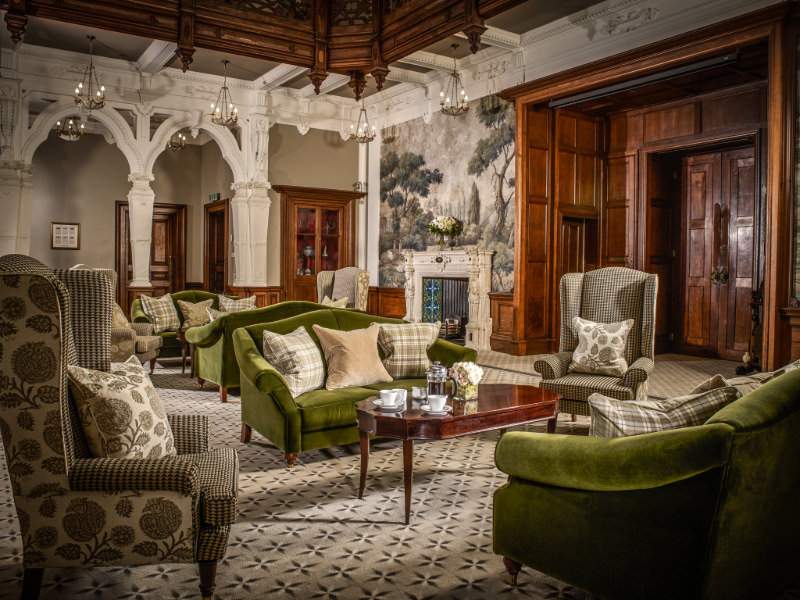
Exclusive-use venues give you full control of the space, the schedule, and the atmosphere. You can hold a mehndi in the library on Friday evening, set up the mandap in the garden on Saturday morning, and host the reception in the great hall that evening, all without competing for rooms or negotiating noise restrictions.
How to Plan a Multi-Day Asian Wedding Timeline
Multi-day weddings span anywhere from two to five days, depending on the traditions involved. The timeline needs to account for ceremonies that happen during the day and events that run late into the evening.
A typical South Asian wedding schedule might look like this: Day one features the mehndi night at the venue or a smaller gathering space. Day two includes the haldi ceremony in the morning and the sangeet in the evening. Day three holds the main wedding ceremony. Day four concludes with the reception or celebration dinner.
How Does Guest Arrival Affect the Weekend Flow?
Guests arriving from about four o'clock on the first day sets the tone for everything that follows. They unpack, which sounds trivial and is not. When your closest family and friends have time to settle into their rooms before the first event, the entire weekend feels less rushed.
The Friday dinner tends to be the meal where the two families actually meet each other, rather than nodding across a room during the ceremony. Children are running about the grounds while other children are also running about the grounds, and before long they become one group. This relaxed arrival pattern is why we have observed that on-site accommodation matters more than it initially sounds.
What Time Boundaries Apply to Multi-Day Events?
Venues with strict noise curfews or checkout times can disrupt the natural rhythm of a celebration. The wedding day itself runs slower when nobody has travelled to get to it. The day ends the way it should end, which is slowly and without a checkout deadline.
Breakfast the morning after is the part almost nobody plans for and almost everybody mentions afterwards. People come down in stages, in various conditions. The conversations that happen over that meal often stay with guests longer than the formal speeches.
Understanding Key Cultural Traditions and Venue Requirements
Different communities celebrate in distinct ways, and each ceremony has specific spatial and practical requirements. Before booking any venue, speak with family members and elders to understand what each ritual involves and what the venue needs to accommodate.
What Do Hindu Wedding Ceremonies Require from a Venue?
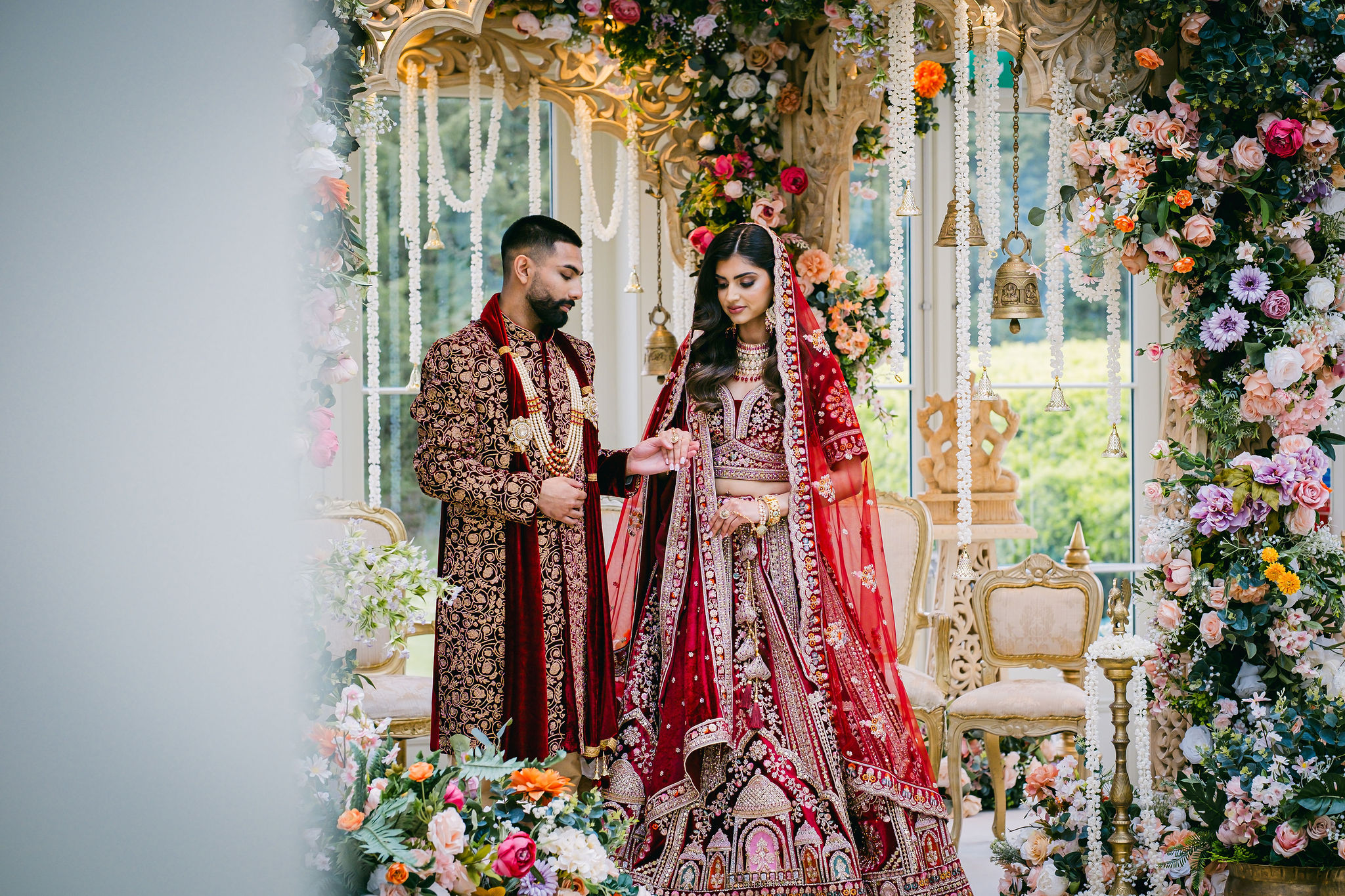
Hindu weddings typically include events such as the mehndi, sangeet, haldi, the main ceremony, and the reception. The ceremony itself requires space for a mandap and, traditionally, a sacred fire. Not all venues permit fire ceremonies, so this needs clarifying early.
.jpg)
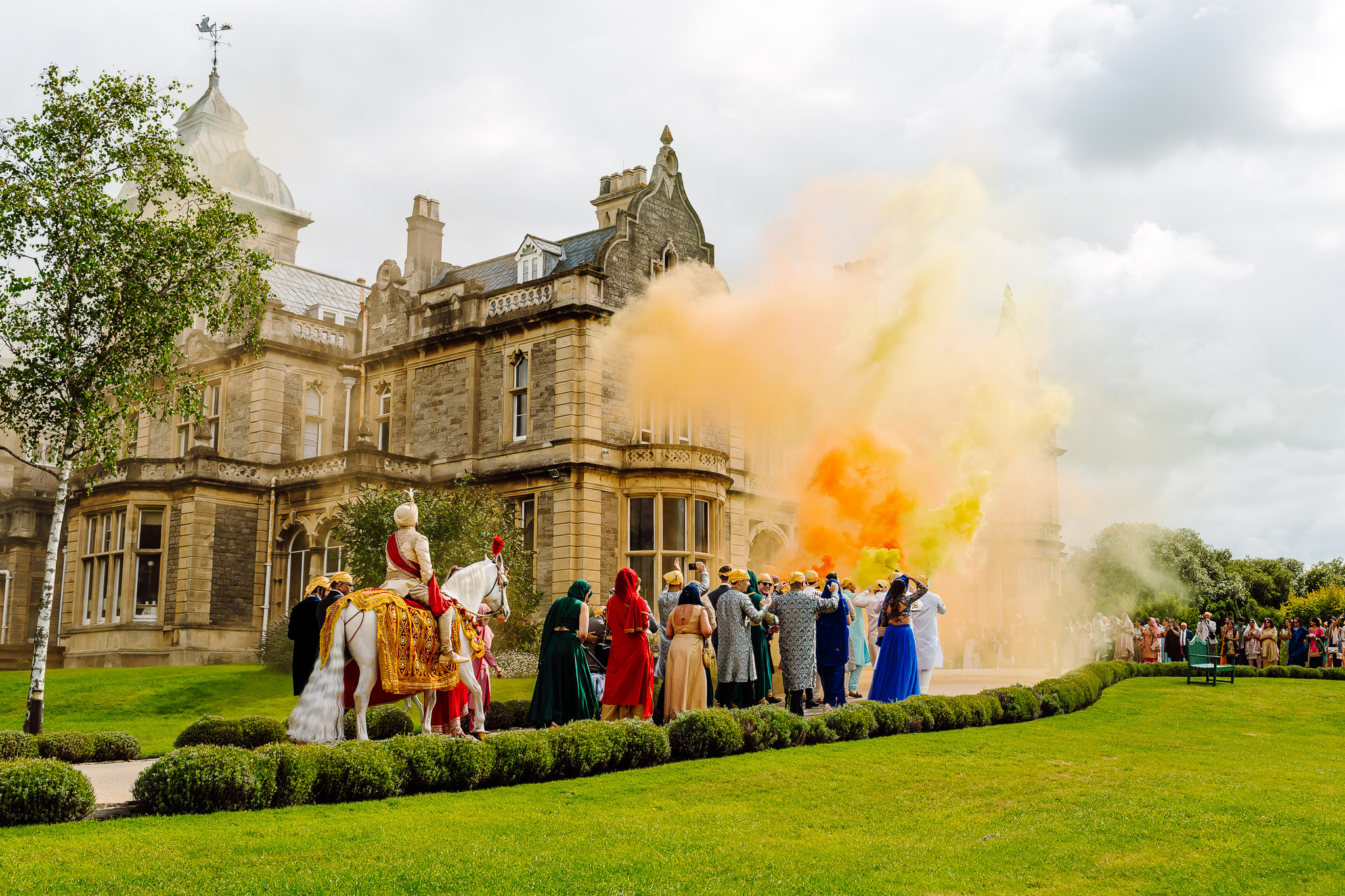
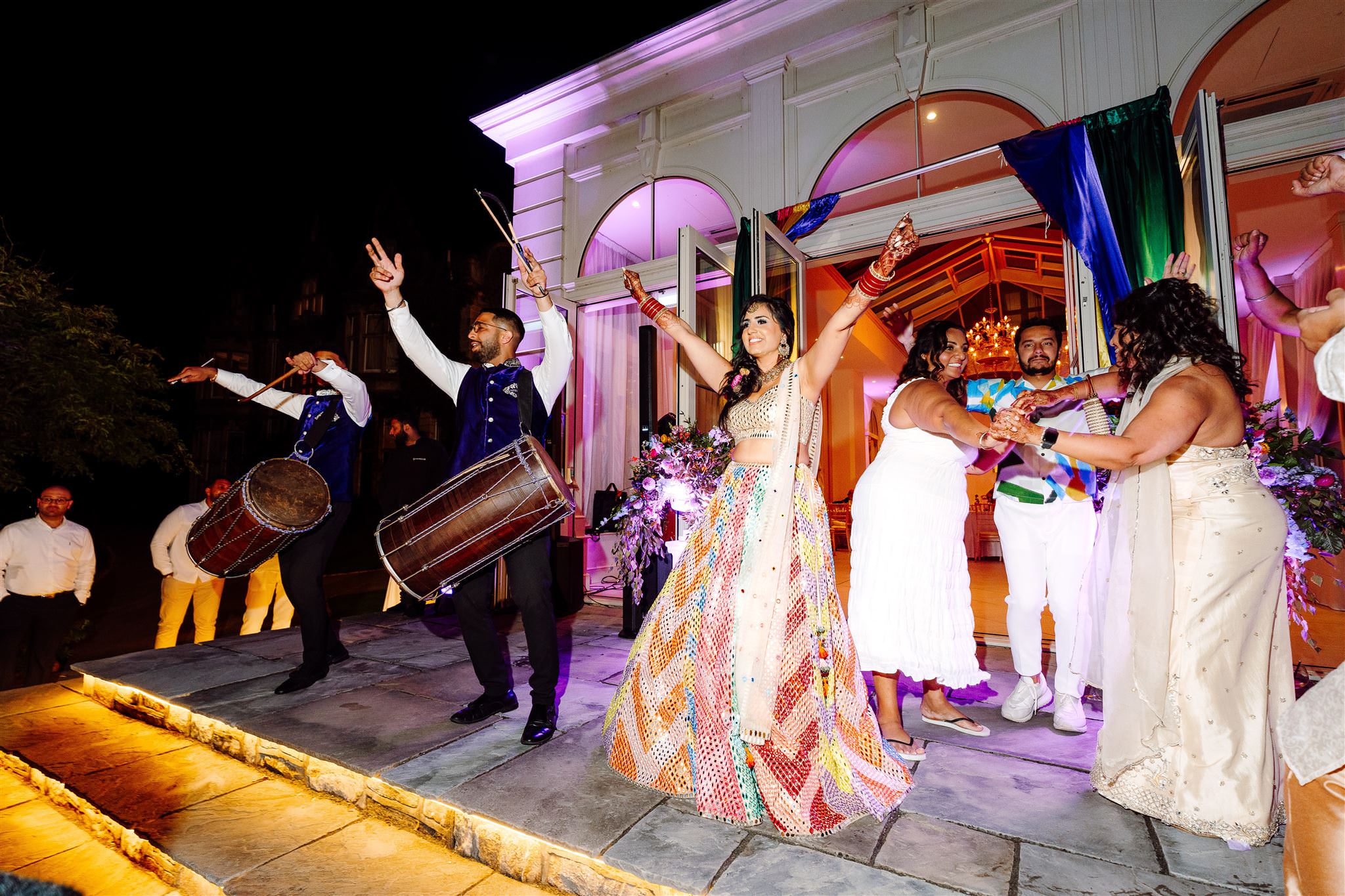
The baraat, where the groom arrives accompanied by family and friends with drums and dancing, needs a clear route, ideally a driveway or garden path that allows for a proper procession. Clevedon Hall's dry hire option includes space for mandaps on the lawn or in the drawing room, with the driveway accommodating the baraat arrival.
What Should Sikh Weddings Consider When Choosing a Venue?
The Anand Karaj, the traditional Sikh ceremony, requires the presence of the Guru Granth Sahib. Guests remove shoes and cover their heads before entering the ceremony space. The venue needs areas where this can happen respectfully and where seating arrangements follow traditional placement.
.jpg)
The milni ceremony, where key members from both families officially meet, and the langar, a communal meal, also need appropriate space. Venues with flexible rooms that can be configured for religious requirements work well for these elements.
How Do Muslim Wedding Ceremonies Differ in Venue Needs?
Muslim weddings may include dholki nights, the nikah ceremony, and a walima reception. The nikah itself can take place at a mosque or at the venue, depending on the couple's preference. If held at the venue, you need a space that allows for the signing of the marriage contract with appropriate privacy and dignity.
Halal catering is essential, and the venue should have relationships with approved halal caterers who understand the requirements. Prayer spaces and ablution facilities are also considerations for guests observing religious practice throughout the event.
What Makes a Venue Work for Chinese Tea Ceremonies?
Chinese weddings often feature a tea ceremony where the couple serves tea to elders as a sign of respect. This intimate ritual needs a comfortable space, often a well-appointed room rather than a large hall. The ceremony is typically photographed extensively, so good natural light helps.
The wedding banquet follows specific traditions around course sequencing and symbolism. Venues that work with caterers experienced in Chinese wedding menus can ensure the banquet runs correctly.
.jpg)
Choosing Catering for Culturally Inclusive Weddings
Food plays a central role in Asian weddings, often reflecting regional flavours and family traditions. With multiple events across several days, you have the opportunity to offer guests a varied culinary experience that honours different aspects of the celebration.
What Catering Options Work for Multi-Day Celebrations?
Different events call for different approaches. A mehndi night might feature street-food style snacks and casual dining. The sangeet could include a more substantial buffet. The wedding ceremony day typically involves formal dining, while the reception might offer a multi-course banquet.
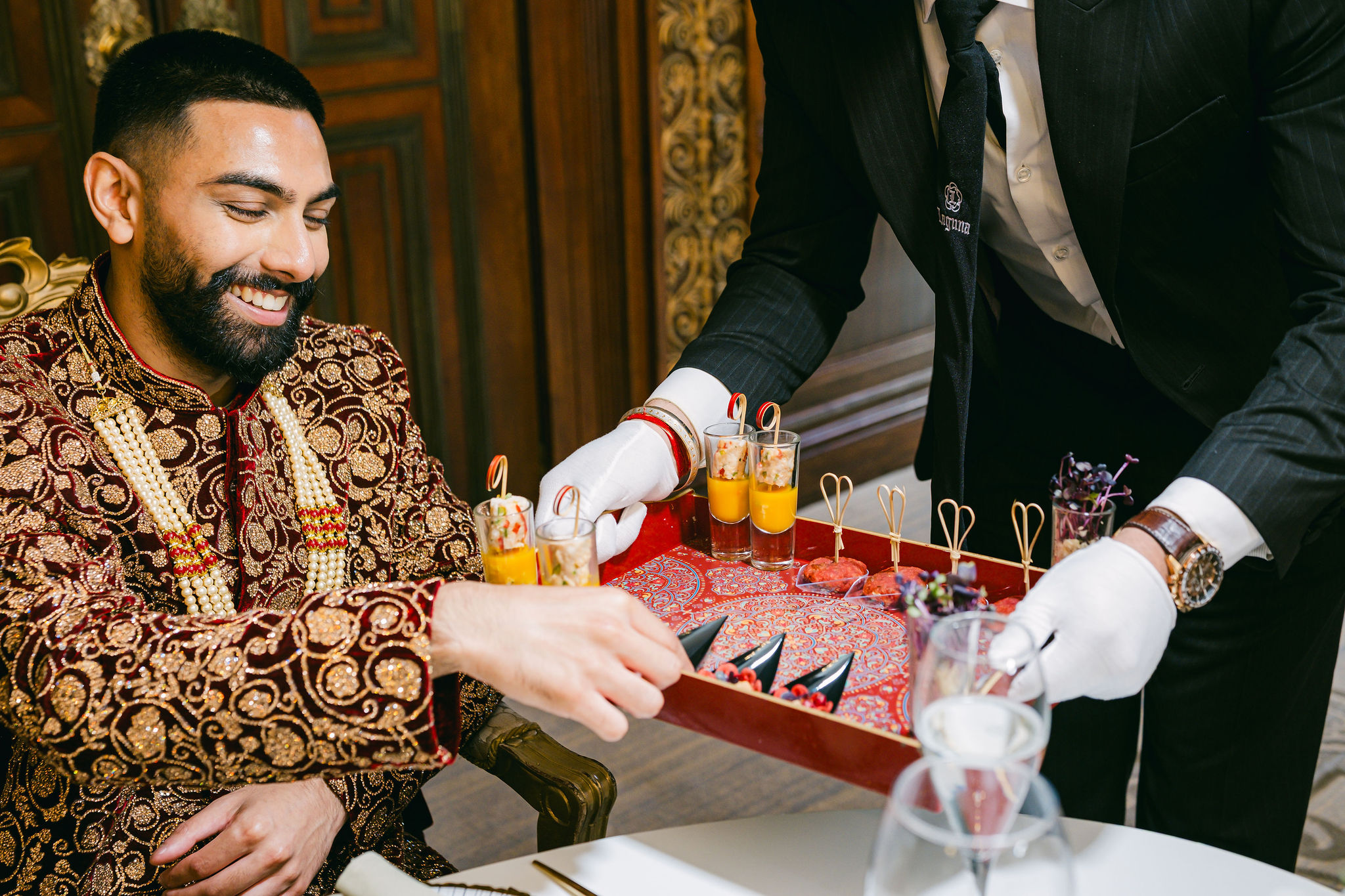
Clevedon Hall operates as a dry hire venue for Asian weddings, meaning couples bring their own caterers from an approved list. This approach gives you control over the menu while ensuring the caterer understands the venue's professional kitchen and service requirements. The approved caterers include specialists in halal, kosher, Gujarati, Punjabi, South Indian, and Sri Lankan Tamil cuisines.
How Should You Handle Dietary Requirements Across Guest Lists?
Asian wedding guest lists often include a broad range of dietary requirements: vegetarian, vegan, halal, kosher, and various allergies. Planning menus that can accommodate this diversity without compromising on quality requires working with caterers experienced in large-scale events with multiple dietary streams.
Late-night snacks for longer events should not be overlooked. Guests who have been dancing for hours will appreciate thoughtful food options as the evening continues.
Guest Accommodation and Travel Logistics
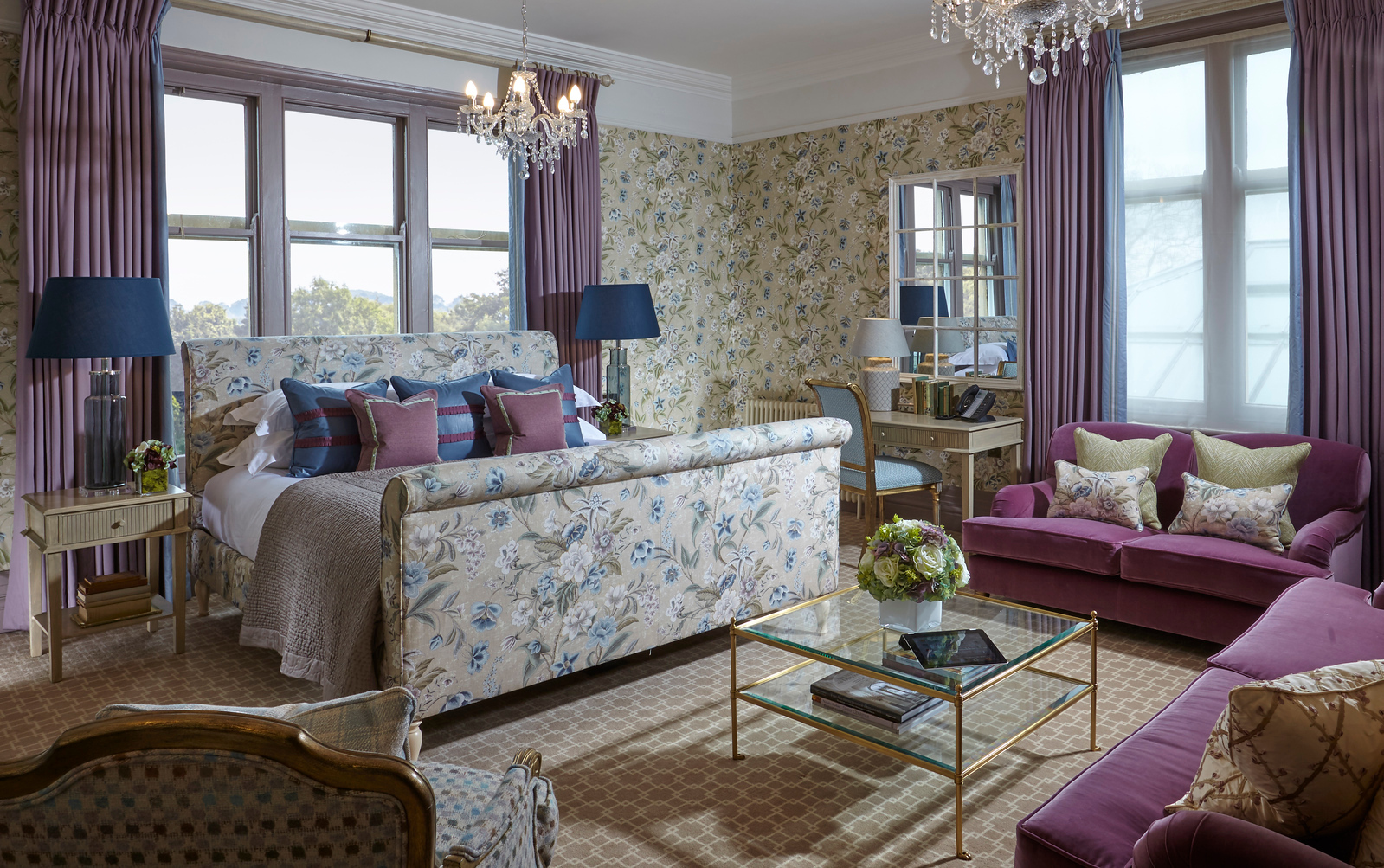
If you are already thinking about where your guests will sleep, you are thinking about something that matters more than it initially sounds. Multi-day celebrations place significant demands on guests, particularly those travelling from other cities or countries. On-site accommodation simplifies everything.
Why Does On-Site Accommodation Change the Weekend Experience?
When a wedding party takes a building, they take all of it. Nobody is checking a watch to work out when they need to leave for a hotel eleven miles away. Nobody is calling taxis at midnight or coordinating room keys at a separate location.
The practical benefit is obvious: guests stay longer, participate more fully, and feel part of the entire celebration rather than commuting to and from specific events. The less obvious benefit is what happens in the spaces between formal activities. Conversations in corridors, late-night gatherings in the library, grandparents chatting with children over breakfast. These moments require proximity.
How Many Bedrooms Do You Actually Need?
The calculation is not simply about total guest numbers. Core family members, the bridal party, and close friends typically stay on-site. Extended guests might stay at nearby hotels but join for the main events.
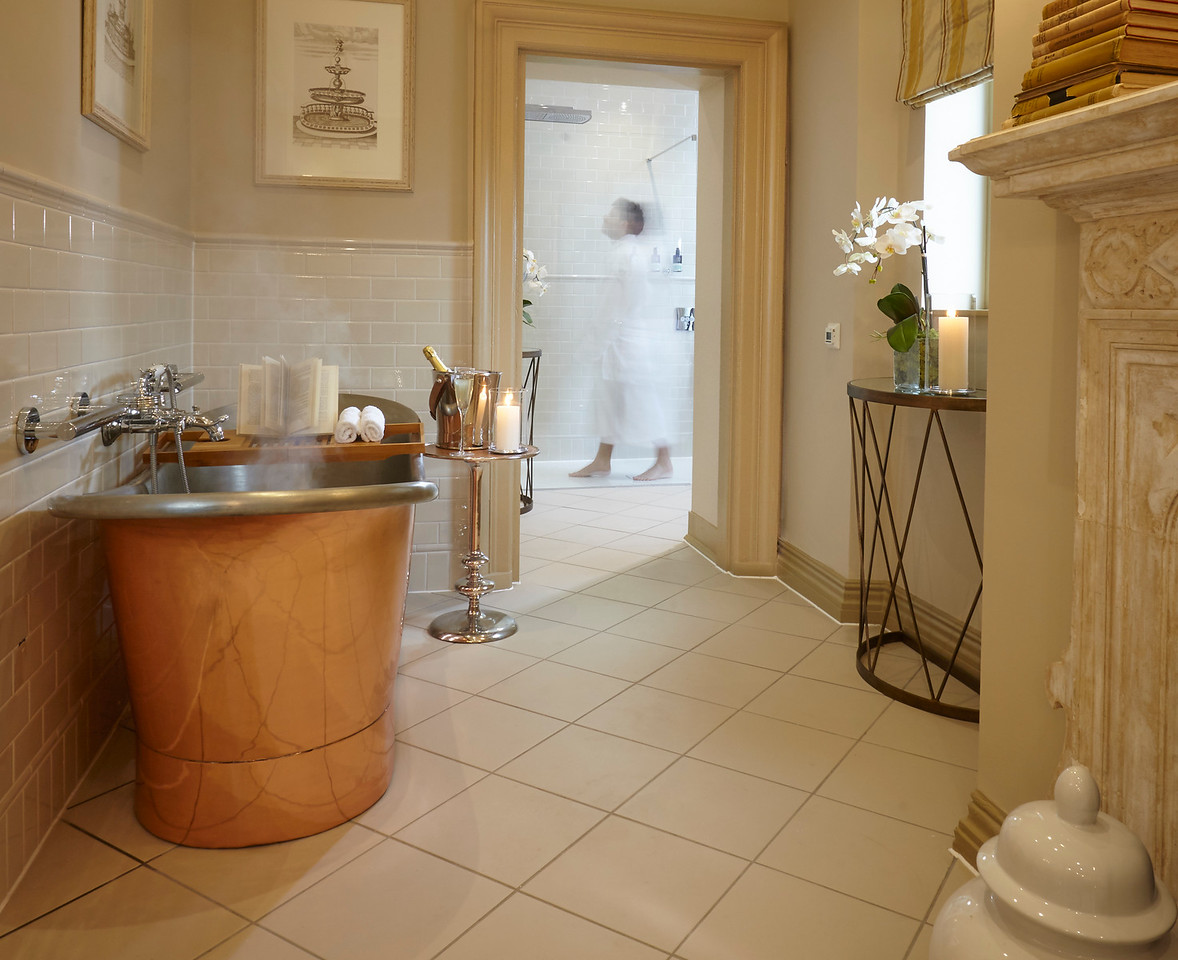
Clevedon Hall has 25 en-suite bedrooms and a private cottage available exclusively to your party. This configuration works for wedding parties where the couple wants immediate family and the bridal party to stay on-site throughout the weekend, with additional guests accommodated nearby.
What Travel Considerations Apply for International Guests?
Asian weddings often draw guests from multiple countries. Venue proximity to major airports and transport links becomes a practical concern. Clear directions, airport transfer coordination, and guest information packs help international travellers navigate the logistics.
The venue's location near the M5 and Bristol Airport makes it accessible for guests travelling from London, elsewhere in the UK, or internationally. Helicopter landing facilities exist for those requiring them.
Budget Planning for Multi-Day Asian Weddings
More days mean more costs. This is not a reason to avoid multi-day celebrations, but it does require careful budgeting from the start. The couples who plan these events successfully tend to be clear about where they want to invest and where they can scale back.
How Should You Allocate Budget Across Multiple Events?
Each event has different requirements and therefore different cost profiles. A relaxed mehndi night costs less than a formal reception with a seven-piece band. Deciding early which events you want to be more elaborate helps direct resources where they matter most to you.
Venue hire, catering for multiple meals, entertainment, photography across several days, multiple outfits, decorations for different ceremonies, and guest accommodation all need separate budget lines. Transportation between venues, if events are split across locations, adds another layer.
What Hidden Costs Should You Anticipate?
Contingency funds for last-minute changes protect against stress. Welcome bags for guests arriving the night before, makeup artists for multiple events, additional decorations, and extended photographer hours can accumulate quickly.
Dry hire venues may have lower base costs but require you to source and coordinate more suppliers independently. Venues with in-house teams handle more coordination but may have less flexibility on external suppliers. Understanding this trade-off helps you budget accurately.
Wedding Outfits for Multi-Day Celebrations
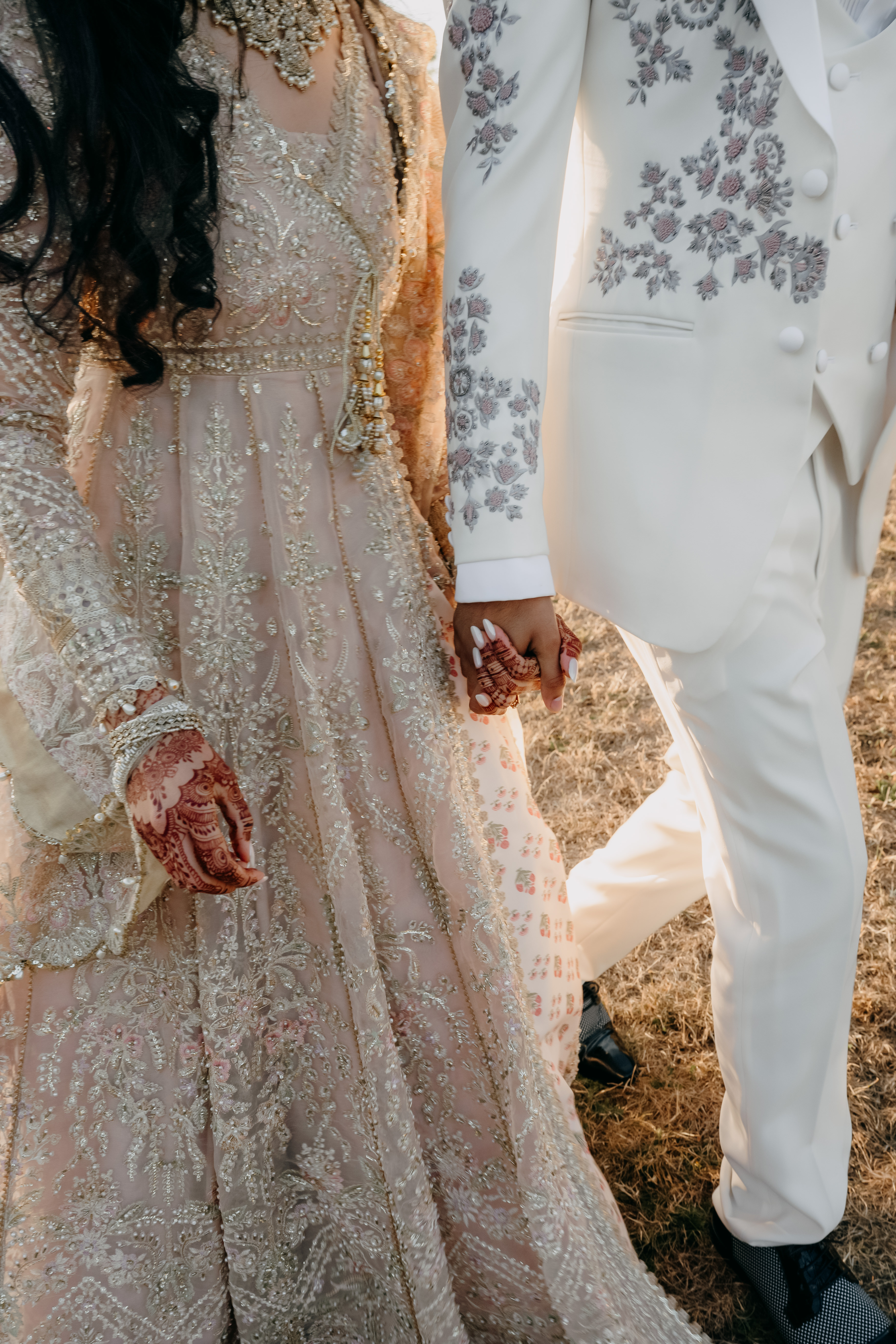
One of the more enjoyable aspects of multi-day Asian weddings is the opportunity to wear several outfits, each appropriate to the tone and tradition of that event. Planning these outfits well in advance avoids last-minute stress.
%20(1).jpg)
What Outfits Do Different Ceremonies Require?
The mehndi and haldi ceremonies typically call for more casual, vibrant colours. The sangeet might involve a more elaborate ensemble appropriate for dancing. The main ceremony traditionally involves the most formal and intricate attire, often in red or other auspicious colours. The reception allows for another change, perhaps to a lighter or more contemporary look.
Start shopping or commissioning custom outfits well in advance, particularly if they are being made overseas. Schedule fittings close to the wedding date to allow for alterations as needed.
Entertainment Across Multi-Day Events
Entertainment sets the tone for each part of the celebration. Different events call for different approaches, and booking well in advance ensures you secure the performers and musicians you want.
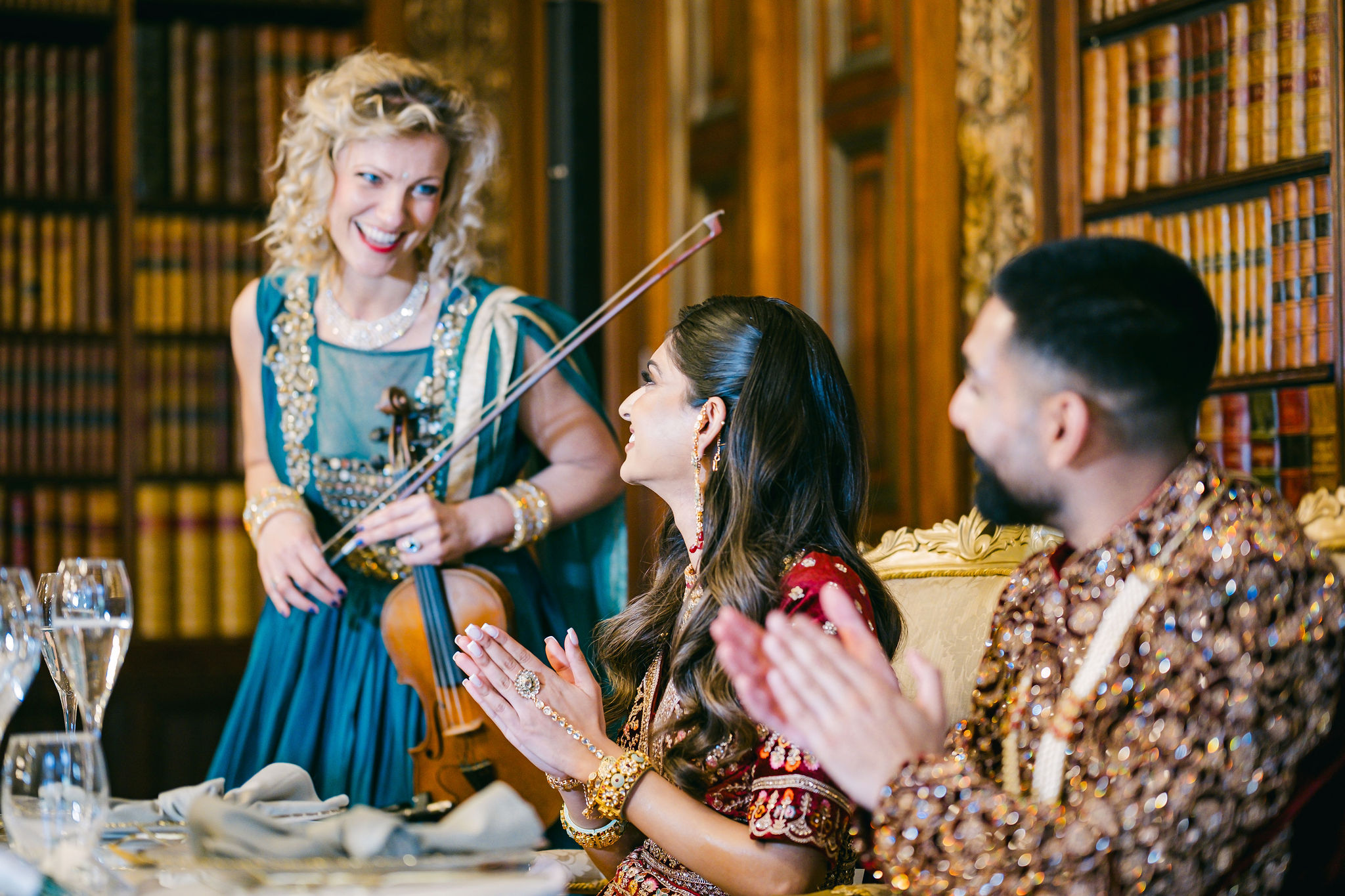
What Entertainment Works for Different Ceremonies?
A dhol player or bhangra performance energises a sangeet. Classical musicians or a string quartet may suit a more formal ceremony space. For receptions, live bands or DJs who understand both modern and traditional music keep guests engaged.
Interactive entertainment between events can maintain energy during transitions. Garden games during afternoon gaps or activities that occupy children while adults rest can help the weekend flow smoothly.
Photography and Capturing the Full Weekend
With multiple events taking place across several days, professional photography becomes more complex. You need a team that understands the pace and significance of each ritual and can capture both the grand moments and the quieter ones that matter.
What Should You Look for in a Multi-Day Wedding Photographer?
Choose photographers experienced in Asian weddings who understand the cultural significance of key rituals. They should know when to be present and when to step back, how to work with the ceremonial flow, and how to capture the details that distinguish your celebration.
Discuss whether you want coverage for all events or specific ones. Some couples prefer full documentation, others focus on the ceremony and reception. Pre-wedding shoots or family portraits scheduled separately can reduce pressure on the main days.
Viewing Venues and Assessing Fit
A practical note for anybody weighing up venue options: come and see the building on a weekday, when it is quiet and empty. Wedding fairs and busy open days show you a venue at its most staged. A Tuesday morning shows you the corridors, the bedrooms, the spaces that guests will actually occupy.
At Clevedon Hall, viewings most weekdays allow you to see the house in its working state. There is no obligation attached to any of it, and the team will tell you honestly if they think the house is wrong for what you have in mind.
What Questions Should You Ask During a Venue Visit?
Ask about fire ceremony permissions, outdoor ceremony backup plans, catering arrangements, noise restrictions, and accommodation capacity. Understand the access times and what happens if events run longer than scheduled. Clarify what is included in the hire and what carries additional costs.
Ask to see the kitchen facilities if you are bringing external caterers. Meet the coordinator who will work with you throughout the planning process. The relationship with your venue team matters as much as the building itself.
Conclusion: Planning a Culturally Inclusive Celebration That Works
Multi-day Asian weddings require more coordination than single-day events, but the result is a celebration that gives proper time and space to cultural traditions, family connections, and the moments that guests remember long after.
The couples who plan these events well tend to start early, communicate clearly with family about what each ceremony requires, and choose venues that genuinely understand the difference between hosting a culture and simply allowing one through the doors. The right venue becomes a partner in making the celebration work, not just a building that happens to be available.
It is not for everyone. Multi-day celebrations ask more of your guest list and require more from your budget. We would rather say that plainly than sell a weekend to somebody who wants an afternoon. But for those who want a celebration that allows two families to actually meet, where children form friendships that last beyond the event, and where the moments between formal ceremonies carry as much weight as the ceremonies themselves, this approach creates something worth the additional planning.
.jpg)
FAQs about Asian Weddings Near Bristol in 2026
What is a dry hire wedding venue and why does it suit Asian weddings?
A dry hire venue gives you full use of the property and facilities while allowing you to bring your own caterers and suppliers. Clevedon Hall offers dry hire for Asian weddings, which means couples can choose from approved caterers specialising in halal, kosher, Gujarati, Punjabi, and other regional cuisines, ensuring authentic food that meets cultural and religious requirements.
How many guests can attend an Asian wedding at a country house venue near Bristol?
Capacity varies by venue and by ceremony. At Clevedon Hall, outdoor ceremonies at the gazebo accommodate 150 guests. The house itself absorbs larger numbers for receptions. When a wedding party takes the building, they take all of it, giving full flexibility across indoor and outdoor spaces throughout the weekend.
Can country house venues accommodate fire ceremonies for Hindu weddings?
Not all venues permit fire ceremonies, so this needs confirming early. Venues experienced in Hindu weddings have arrangements for mandaps and sacred fire elements. Ask specifically about fire ceremony provisions, indoor and outdoor options, and any safety requirements during your venue visit.
How far in advance should you book a venue for an Asian wedding in 2026?
Multi-day Asian weddings require longer booking windows, particularly for peak season dates. Booking twelve to eighteen months in advance gives time for planning multiple events, coordinating with family, and securing preferred suppliers. Popular venues for summer weekends may require even earlier commitment.
What makes Clevedon Hall a good choice for culturally inclusive weddings?
Clevedon Hall offers exclusive use, 25 on-site bedrooms, dry hire flexibility with approved cultural caterers, and spaces that accommodate mandaps, chuppahs, baraats, and multi-day celebration schedules. The venue hosts Hindu, Sikh, Muslim, Jewish, and Tamil weddings, understanding the specific requirements each tradition involves rather than simply allowing them.
How do you manage guest accommodation for a multi-day wedding?
On-site accommodation keeps core family and the bridal party together throughout the weekend. Clevedon Hall's 25 bedrooms and private cottage accommodate the immediate wedding party, while nearby hotels can house additional guests. This arrangement allows the moments between formal events to happen naturally.
More Wedding Inspiration


.svg)


